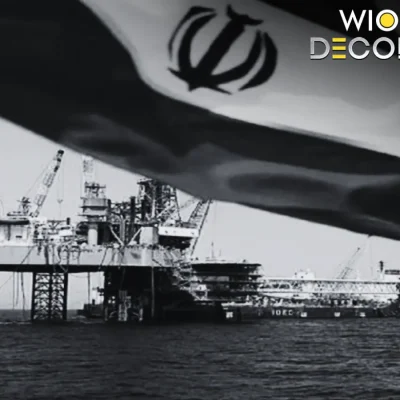
July WTI crude oil suffered its largest weekly decline in months as traders aggressively removed geopolitical risk premium from the market on growing hopes that diplomacy between Washington and Tehran could eventually succeed. Through Thursday, May 28, July WTI crude oil traded between a high of $94.70 and a low of $87.11 before settling at $88.60, down $8.40, or 8.66%, for the week.
The selloff was notable because it occurred while many of the bullish supply factors that drove crude sharply higher earlier this year remained in place. Traffic through the Strait of Hormuz remains severely disrupted, inventories continue to decline, and significant production losses across parts of the Middle East have yet to be restored. Under normal circumstances, those conditions would be expected to support prices. Instead, traders spent most of the week looking beyond current supply shortages and focusing on the possibility that a ceasefire agreement could eventually bring barrels back to market.
Diplomacy Finally Gains the Upper Hand
For much of the year, every headline involving Iran pushed crude oil higher. Traders repeatedly bought futures on fears that military escalation would threaten exports, shipping routes, and energy infrastructure throughout the region. This week marked one of the first times the opposite occurred.
Early in the week, crude prices remained supported by reports of continued military exchanges between the United States and Iran. Concerns…
July WTI crude oil suffered its largest weekly decline in months as traders aggressively removed geopolitical risk premium from the market on growing hopes that diplomacy between Washington and Tehran could eventually succeed. Through Thursday, May 28, July WTI crude oil traded between a high of $94.70 and a low of $87.11 before settling at $88.60, down $8.40, or 8.66%, for the week.
The selloff was notable because it occurred while many of the bullish supply factors that drove crude sharply higher earlier this year remained in place. Traffic through the Strait of Hormuz remains severely disrupted, inventories continue to decline, and significant production losses across parts of the Middle East have yet to be restored. Under normal circumstances, those conditions would be expected to support prices. Instead, traders spent most of the week looking beyond current supply shortages and focusing on the possibility that a ceasefire agreement could eventually bring barrels back to market.
Diplomacy Finally Gains the Upper Hand
For much of the year, every headline involving Iran pushed crude oil higher. Traders repeatedly bought futures on fears that military escalation would threaten exports, shipping routes, and energy infrastructure throughout the region. This week marked one of the first times the opposite occurred.
Early in the week, crude prices remained supported by reports of continued military exchanges between the United States and Iran. Concerns over additional retaliation kept traders focused on the risk that disruptions to regional energy flows could become even more severe. However, sentiment shifted sharply after reports emerged that U.S. and Iranian negotiators had reached the outline of a 60-day ceasefire extension tied to renewed discussions over Iran’s nuclear program.
Although the proposal still requires approval and numerous details remain unresolved, traders focused on what the agreement could mean rather than what it currently is. The possibility that diplomacy may eventually reopen shipping lanes and reduce supply disruptions was enough to trigger aggressive profit-taking throughout the crude market. By Thursday, traders appeared more interested in pricing future peace than present conflict.
The Strait of Hormuz Still Matters
The market’s reaction does not mean supply risks have disappeared. Far from it.
The Strait of Hormuz remains the single most important issue facing global oil markets. Before hostilities disrupted normal operations, roughly one-fifth of the world’s oil supply moved through the waterway. While ceasefire discussions have improved sentiment, tanker traffic remains well below normal levels, and many shipping companies continue operating cautiously.
This creates a disconnect between financial markets and physical markets. Futures traders are increasingly pricing the possibility that conditions improve. Physical traders are still dealing with the reality that exports remain constrained and transportation risks remain elevated. Even if a formal ceasefire agreement is reached tomorrow, restoring normal shipping patterns could take weeks or months. That reality likely prevented an even larger decline in crude prices this week.
Inventory Data Reminds Traders Supply Is Still Tight
The latest inventory data provided another reminder that the supply side of the market remains supportive.
The Energy Information Administration reported another decline in U.S. crude inventories, extending a series of stockpile draws that have characterized much of the spring. Refiners continue operating at elevated levels while exports remain strong. At the same time, summer driving demand is beginning to emerge, creating additional pressure on available supplies.
More importantly, the EIA continues warning that global inventories are likely to decline significantly this year because of ongoing disruptions affecting Middle Eastern production and exports. The agency recently revised higher its estimate for global inventory draws, reflecting the magnitude of supply losses that have developed since the conflict began. While traders sold crude on ceasefire optimism this week, the underlying inventory picture continues pointing toward a relatively tight physical market.
IEA Sees a Different Threat Emerging
While supply remains a concern, the International Energy Agency believes demand may become an equally important factor.
The agency has increasingly warned that elevated energy prices and slowing economic activity are beginning to weigh on fuel consumption. High prices have already started affecting demand growth forecasts in several major economies. The longer prices remain elevated, the greater the risk that consumers and businesses reduce consumption.
This demand destruction story has become more important as the conflict has dragged on. Earlier in the crisis, traders focused almost entirely on lost supply. Today, they must also consider the possibility that slower economic growth could reduce the need for some of those missing barrels. That shift has made the market more willing to sell geopolitical rallies than it was several months ago.
Weekly Light Crude Oil Futures
Trend Indicator Analysis
The main trend is up according to the weekly swing chart and moving average analysis. However, momentum has shifted to the downside with the confirmation of last week’s closing price reversal top.
A trade through $105.21 will negate the bearish chart pattern and signal a resumption of the uptrend. Taking out $86.13 will change the minor trend to down and reaffirm the momentum shift.
The main bottom is $77.22. A trade through this level will change the trend to down according to the weekly swing chart.
The 52-week moving average at $68.16 and the nearest main bottom is at $55.27 are the major support points. They represent value.
The short-term range is $86.13 to $105.21. The market is currently trading below its pivot at $95.67, making it resistance. Overcoming it will put the market in a strong position.
The intermediate range is $77.22 to $105.21. Its retracement zone is at $91.21 to $87.91. This area is currently being tested. “Buy the Dip” traders could support the market in this zone.
The long-term range is $55.27 to $105.21. Its retracement zone at $80.24 to $74.35 is the last major support area before the 52-week moving average at $68.16. Inside this zone is the last main bottom at $77.22. This area will be very attractive to buyers if ever tested.
The potential support areas look more structured than the tops, which suggests a floor is in place that could provide support even after the war ends. The previous tops were all formed by speculative spikes that were gone in a flash.
Weekly Technical Forecast
The direction of the Weekly July Crude Oil futures contract for the week ending June 5 is likely to be determined by trader reaction to $91.21 and $87.91.
Bullish Scenario
A sustained move above $91.21 will signal the presence of buyers. This move could create the upside momentum needed to overcome $95.67, which could be the gateway to $100.00, then $105.21
Bearish Scenario
A sustained move under $87.91 will indicate the presence of sellers. This could create the downside pressure needed to take out the minor swing bottom at $86.13. This would likely extend the sell-off into $80.24 to $74.35, where value buyers will be waiting.
Outlook: Can Peace Deliver Real Barrels?
Next week’s outlook will depend on whether diplomatic progress turns into something more concrete.
If ceasefire negotiations continue advancing, traders are likely to remove additional geopolitical premium from crude prices as expectations grow for a gradual normalization of exports and shipping activity. That process could keep pressure on WTI despite ongoing supply disruptions.
However, the physical market remains considerably tighter than futures prices suggest. Inventories continue falling, shipping routes remain constrained, and significant volumes of production have yet to return. Those realities create a floor beneath the market that could limit downside pressure if negotiations stall or new military developments emerge.
This week was the first clear sign that traders are willing to price hope instead of fear. Whether that trend continues will depend on whether diplomacy produces actual barrels or simply more headlines.
The downside pressure this week suggests further weakness is likely. Despite the volatility, I expect “buy the dip” traders to respect the value zone at $80.24 to $74.35, if tested.