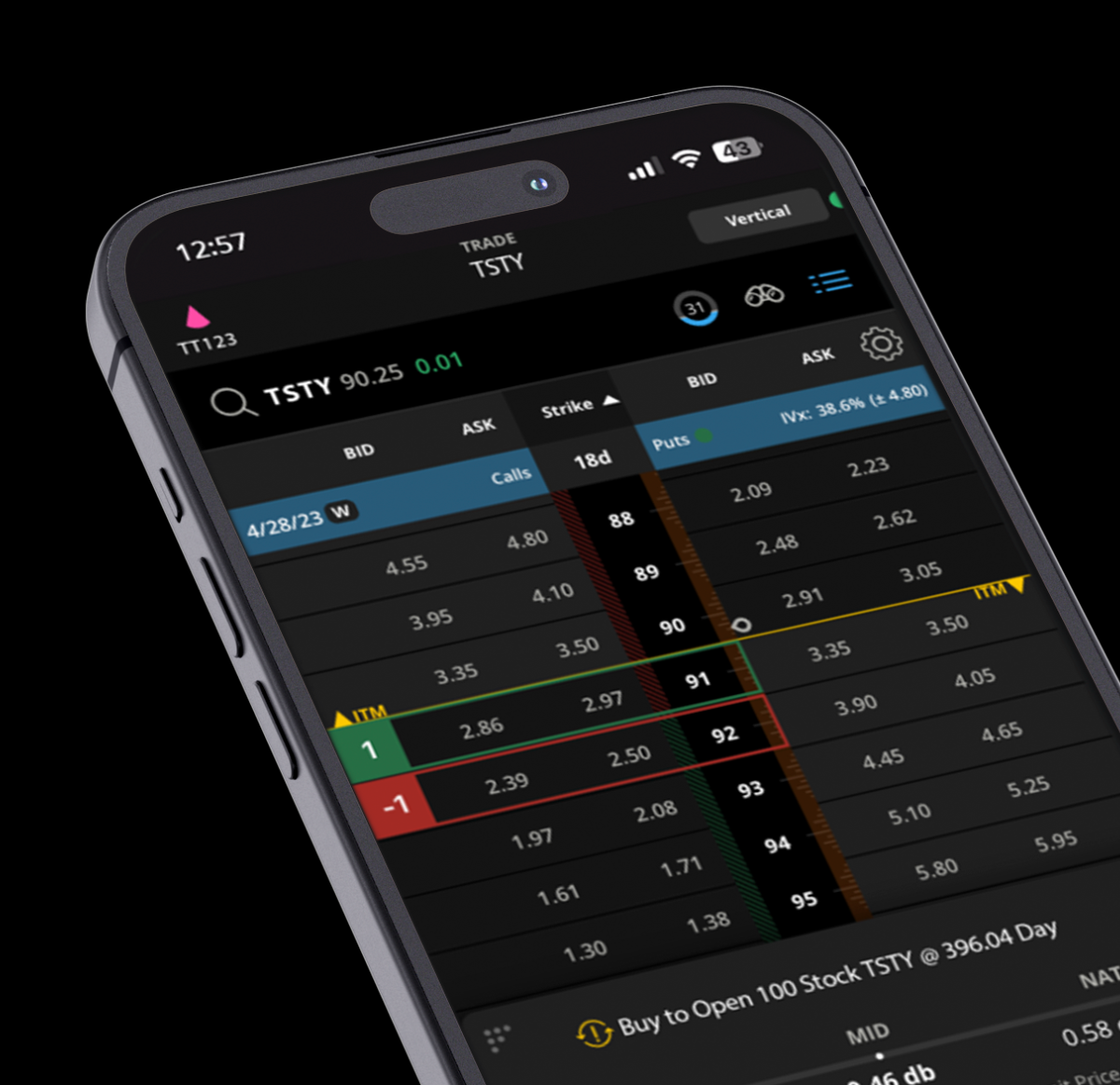
Options expiration date: definition and types
In the world of trading and investing, ‘expiration’ refers to the finite lifespan of certain financial instruments. For options, futures and options on futures, the expiration (or expiry) date marks the end of the contract’s validity. At this point, the contract is either exercised or becomes worthless.
Understanding expiration is crucial if you’re an options trader, as it affects both pricing and strategic decisions. Let’s explore the five main types of options expiration:
1. Regular monthly expiration
Regular monthly expiration is the standard expiration cycle for listed stock options. Expiration typically occurs on the third Friday of the contract month at 9pm (UK time). If that Friday is a holiday, expiration moves to the previous day (ie Thursday).
Monthly options, often called ‘monthlies’, are generally available from one to 11 months out. They provide a balance between time value and strategic flexibility.
2. Weekly expiration
Weekly options offer shorter-term trading opportunities. Expiration ranges between one and five weeks. These options are similar to their monthly counterparts, except for their shorter lifespans, and can be useful for trading short-term market movements or specific events.
Weekly options are typically introduced each Thursday and expire eight days later on Friday at 9pm (UK time). Some assets may have up to five consecutive weekly expirations if they don’t coincide with a monthly expiration.
3. Long-term equity anticipation securities (LEAPS)
LEAPS are generally options with expiration dates of one year or more. They provide extended exposure to an underlying asset’s price movements, which makes them popular among traders or investors with longer-term outlooks or those seeking to hedge long-term positions.
LEAPS expire on the third Friday of the contract expiration month at 9pm (UK time), or the day before that (ie Thursday) if the Friday is a holiday.