
Understanding Purity and Colours
Gold purity is measured in karats. Your choice depends on the gold’s intended use:
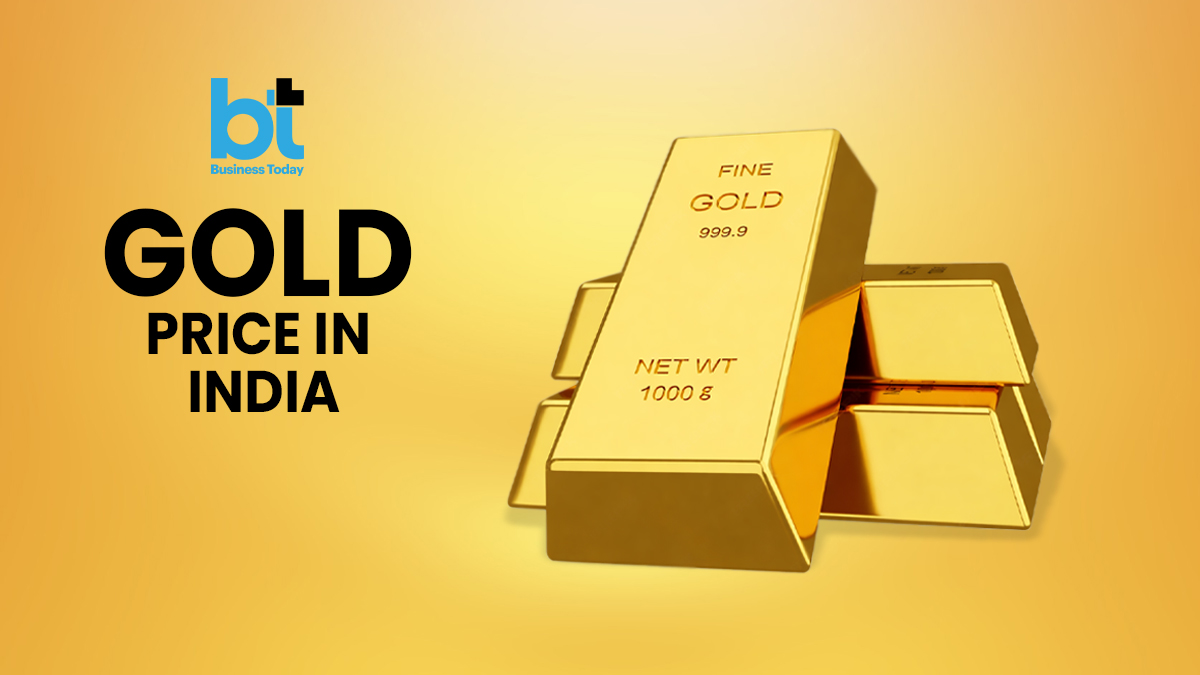
24K (99.9%): The purest form, but too soft for jewellery. Best suited for investment in coins and bars.
22K (91.6%): Standard for traditional Indian jewellery, alloyed with other metals for durability.
18K & 14K: Contains less gold but offers greater strength.
Note on Colours: Yellow, white, and rose gold differ only in the metals used for alloying (such as silver or copper). The karat value determines the actual gold content.
Pricing and Authenticity
The daily gold rate you see online is just a benchmark. The final showroom price will always be higher due to the following additions:
The Final Price Calculation: Base gold price + making charges (which vary by design and are often negotiable) + 3% GST.
Stone Deductions: In studded jewellery, the weight of embedded stones is excluded when calculating the net gold weight for pricing.
BIS Hallmarking: Always verify authenticity. Look for the BIS logo, the purity grade (e.g., 916 for 22K), and the 6-digit alphanumeric HUID code, which can be verified on the BIS Care app.
Paper and Digital Gold Alternatives
If you want to invest without the hassle of physical storage or making charges, consider financial gold:
Digital Gold: Enables purchase of small quantities of high-purity gold online, starting from Re 1.
Gold ETFs & Mutual Funds: Highly liquid paper assets that track the real-time market price of physical gold.
Sovereign Gold Bonds (SGBs): Government-backed securities that offer a fixed annual interest rate on top of standard gold price appreciation.
Tax and Regulatory Quick Facts
KYC Rules: Providing your PAN is mandatory for purchases exceeding Rs 2 lakh. Cash purchases over Rs 10 lakh require strict KYC compliance.
Taxes on Purchase and Sale: All gold buys attract a flat 3% GST. Selling gold later will attract capital gains tax, depending on how long you have held the asset.
Gifts and Inheritance: Inherited gold is not taxed until you sell it. Gold gifts are tax-free if received during marriage or from specified close relatives; otherwise, gifts exceeding Rs 50,000 in a financial year are treated as taxable income.
What Drives Gold and Silver Prices?
Gold and silver prices are influenced by global macroeconomic trends, geopolitical conditions, and currency movements. As time-tested safe-haven assets, both metals typically see increased demand during periods of high inflation, economic recession, or global crises as investors seek to protect their wealth.
Industrial Demand (Gold): Unlike silver, gold has relatively limited industrial usage, with the majority of its demand driven by jewellery and investment. However, it is still used in specialised sectors such as electronics, medical devices, and aerospace due to its excellent conductivity, corrosion resistance, and reliability.