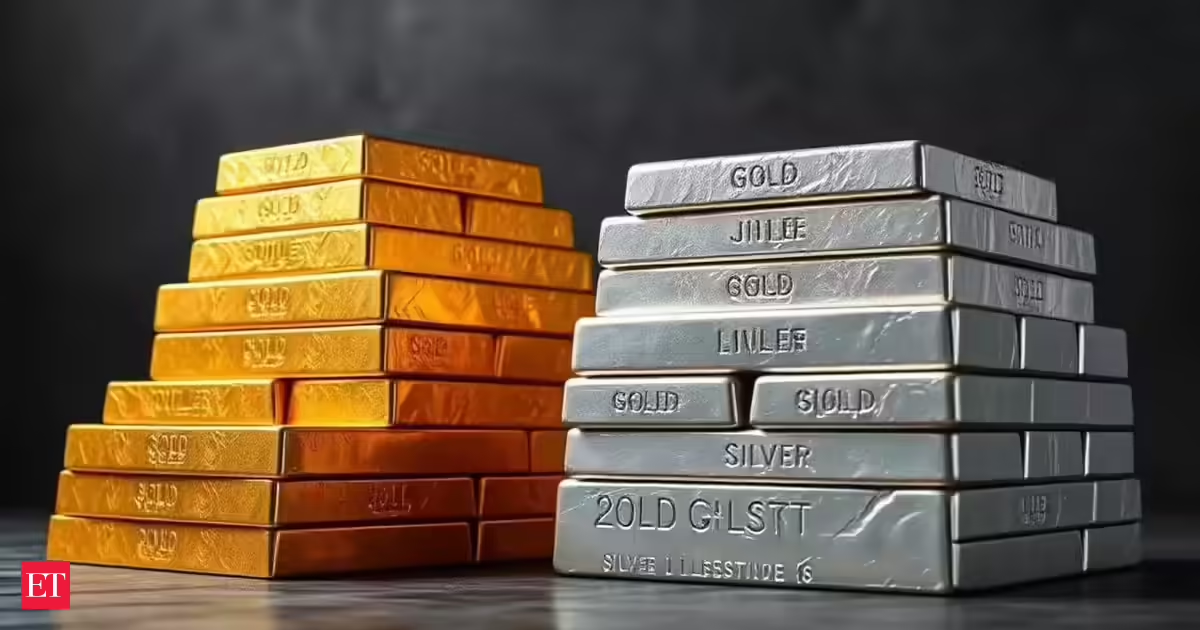
Why is silver price crashing rapidly by 5% to $67, and will gold price slip below $4,000 or move towards $5,000?
Precious metals declined as investors assessed global conflict risks, oil prices, inflation expectations, and interest rate signals. Gold dropped 2.7% to $4,384.38 per ounce during trading. U.S. gold futures for April delivery closed 3.9% lower at $4,376.3.
The U.S. dollar moved higher. A stronger dollar makes gold and silver expensive for buyers using other currencies. This reduces global demand. Oil prices also rose due to fears of supply disruption. Higher energy prices can increase inflation. Inflation concerns increase the chance of higher interest rates. Higher rates reduce the appeal of non-yielding metals such as gold and silver.
Gold has declined 17% since the start of the U.S.-Israeli war on Iran on February 28. Investors have moved toward liquidity. Analysts noted that speculative activity has weakened the safe-haven role of metals in the short term.
Why is silver price crashing rapidly by 5% to $67?
Spot silver dropped 5% to $67.71 per ounce. Platinum fell 4.2% to $1,839.67. Palladium declined 5% to $1,352.82. The fall reflects broad selling across the metals market.

Several factors contributed to the drop. Investors moved to cash and dollar assets during the conflict period. Rising bond yields increased the opportunity cost of holding metals. Metals do not provide interest income. Higher yields make bonds more attractive.
Speculative trading also played a role. Analysts said the demand for liquidity has led to selling pressure. This selling has reduced the short-term safe-haven demand for metals.
Will gold price slip below $4,000 or move towards $5,000?
Analysts said the outcome depends on the Middle East conflict and interest rate outlook. If the conflict continues, gold may fall below $4,000. If a ceasefire happens, gold may rise toward $5,000.
Markets are watching ceasefire talks closely. A U.S. proposal to end the conflict was described as one-sided by a senior Iranian official. At the same time, the U.S. president said Iran allowed 10 oil tankers to pass through the Strait of Hormuz as a goodwill step in negotiations.
If tensions ease, interest rate cuts may return to the market outlook. Lower rates usually support gold prices. If tensions rise and inflation increases, higher rates may push gold lower.
Analysts insights and market outlook
Analysts said gold is facing pressure from inflation and interest rate expectations. Higher oil prices increase inflation risk. This gives central banks reason to keep interest rates high.
Data showed U.S. weekly jobless claims rose slightly. This suggests the labor market remains stable. A stable labor market gives the Federal Reserve room to keep interest rates steady while watching inflation linked to the conflict.
Analysts at a major bank said speculative trading has reduced the ability of gold and silver to act as safe-haven assets in the short term. Investors have prioritized liquidity during the early weeks of the conflict.
What should investors do now?
Investors are watching the dollar, oil prices, and interest rate signals. These factors influence precious metal prices. Market participants are also tracking ceasefire developments.
Short-term volatility may continue. Gold and silver may react to changes in inflation expectations and central bank policy. Investors often monitor economic data and geopolitical updates before making decisions.
Precious metals remain linked to inflation, interest rates, and global conflict developments. Market direction may depend on changes in these factors in the coming weeks.
FAQs
Q1: Can silver price recover after crashing rapidly by 5% to $67?
Silver may recover if interest rate expectations fall, the dollar weakens, and investor demand returns. Market recovery often depends on inflation trends, economic data, and changes in global conflict risks.
Q2: What factors will decide if gold moves toward $5,000 this year?
Gold may rise if interest rates decline, inflation remains elevated, and geopolitical tensions increase. Strong central bank demand and weaker dollar performance can also support a move toward higher price levels.