

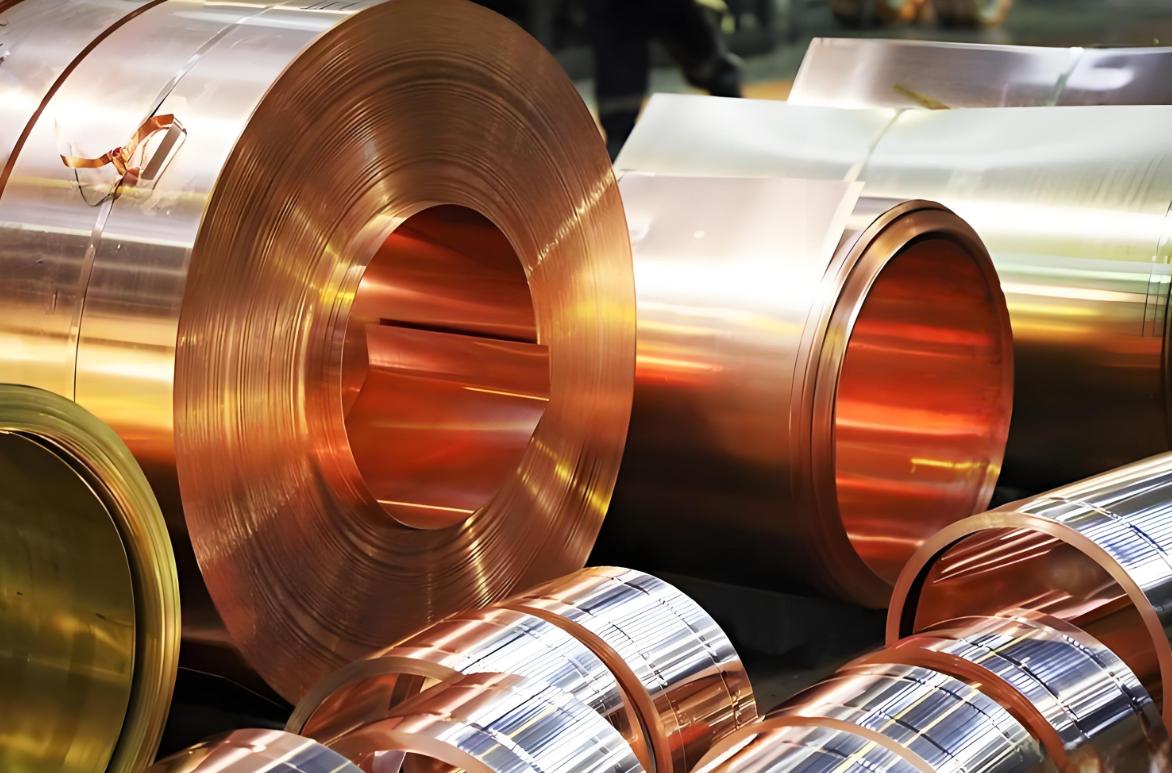
SunSirs: Non-Ferrous and Precious Metals Plunged; Shanghai Copper Fell to a Five-Month Low
On the 18th, precious and non-ferrous metals saw widespread declines both domestically and internationally. Spot gold fell below $3,800 per ounce—the first time it has reached such a low since September 30, 2025. In the London futures market, all non-ferrous metal contracts experienced losses. Domestically, base metal futures—with the exception of SHFE nickel—also saw significant downward movement; at the time of writing, SHFE tin had dropped by more than 4%, and SHFE copper by over 3%, both hitting their lowest levels since April.
Analysts note that, amid high inflationary pressure, Federal Reserve officials have continued to signal a hawkish stance, fueling market bets on further interest rate hikes—a development that has exerted downward pressure on both precious and non-ferrous metals. Meanwhile, personnel changes at Nvidia have triggered significant volatility in U.S. tech stocks, while the U.S. midterm elections have clouded the outlook for AI data center demand and tariff policies. Consequently, the narrative linking non-ferrous metals—such as copper and tin—to AI and computing power has lost some of its conviction. The resulting outflow of capital from the non-ferrous metals futures market has been a key driver behind the recent weakness in these commodities.
It is worth noting that, even as prices fall, the spot supply of certain non-ferrous metals remains tight.
Take copper, for example: industry research indicates that, constrained by declining ore grades and operational setbacks, copper production in Chile—the world’s largest producer—is falling toward its lowest level in 23 years. Meanwhile, significant volatility in sulfuric acid prices and an increasing reliance on imports have further compounded the pressure on the country. As a result, the spot premium for copper continues to climb.
Aluminum offers another example: last week, as inventories in London Metal Exchange (LME) warehouses plummeted to their lowest level since 1990, the premium for spot aluminum over futures contracts in London surged to $147 per tonne—the highest level in more than 30 years.
However, pessimistic long-term expectations have overshadowed the short-term support provided by tight spot-market supplies, with bearish macroeconomic factors now dominating the market.
About two months ago, copper futures on the London Metal Exchange (LME) approached a record high of $15,000 per tonne. At that time, surging demand for copper in AI data centers attracted a massive influx of capital; this, combined with supply constraints in the spot market—exacerbated by tariff-related disruptions—drove copper prices upward. Since then, however, as the “AI trade” thesis has begun to lose steam, copper prices have fallen by more than 10%.
Analysts at Nanhua Futures point out that copper prices are currently facing a “triple threat”: the persistence of expectations for monetary tightening abroad (alongside a stronger U.S. dollar and rising Treasury yields), a decline in risk appetite—driven by concerns over the returns on AI capital expenditures and valuation adjustments in tech stocks—and the potential for capital to be siphoned off by a major upcoming IPO, such as that of Anthropic.
SunSirs has been continuously tracking price data for over 200 commodities for nearly 20 years, please contact support@sunsirs.com for subscription.
【Copyright Notice】In the spirit of openness and inclusiveness of the Internet, SunSirs welcomes all media and institutions to reprint and quote our original content. If reprinted, please mark the source SunSirs.