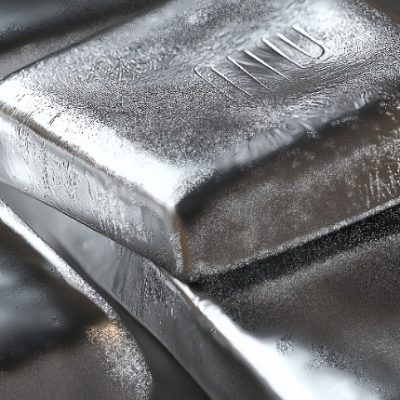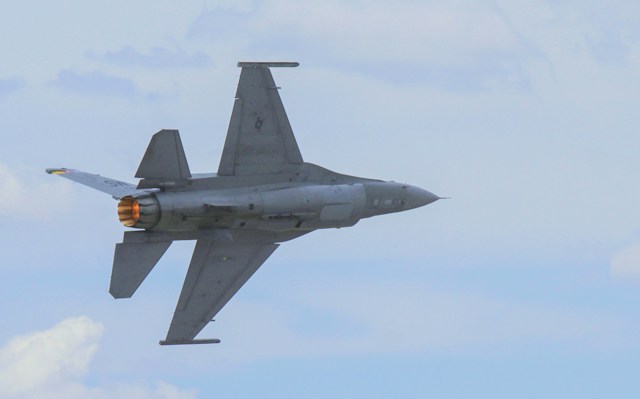
Iridium, an extremely hard, dense, and corrosion-resistant metal, is used in operational F-16 fighter jets to power the aircraft’s Emergency Power Unit (EPU), which runs on hydrazine-based fuel. As reported by Defence Blog, the emergency unit engages when the fighter’s main engine ceases to generate power, hydraulic pressure, or electricity while in flight.
For this critical reason, the F-16 logistics support command, based at Hill Air Force Base in Utah, issued an official solicitation on behalf of the U.S. government requesting formal proposals for the supply of these required catalysts.
According to official information, the planned procurement is expected to proceed on a sole-source basis, although the government will conduct market research prior to a final decision to verify whether competitive alternatives exist. The contract for purchasing iridium used in F-16 fighters does not currently outline specific financial figures or other contractual details, but indicates that a contract award is anticipated in March 2027.
Every operational F-16 is equipped with such an EPU, designed to engage if the main engine, electrical generators, or hydraulic systems suddenly fail in the air. The unit drives a small turbine that powers an auxiliary hydraulic pump and electrical generator, maintaining flight controls and ensuring continuous aircraft stability.
Technically, the turbine initially runs on hot bleed air from the main engine. When the engine completely shuts down and no longer provides sufficient airflow, the turbine transitions autonomously to power the unit using H-70 fuel, a mixture of 70 percent hydrazine and 30 percent water. Through this chemical process, the iridium catalysts rapidly convert the liquid mixture into a hot, high-pressure gas that directly powers the aircraft’s emergency system.
U.S. Air Force officials explain that if an F-16’s main engine shuts down during flight, there is a critical 17-minute window during which the pilot can run the EPU, attempt to glide the aircraft safely to the ground, or decide to eject, based on the pilot’s assessment in the cockpit.