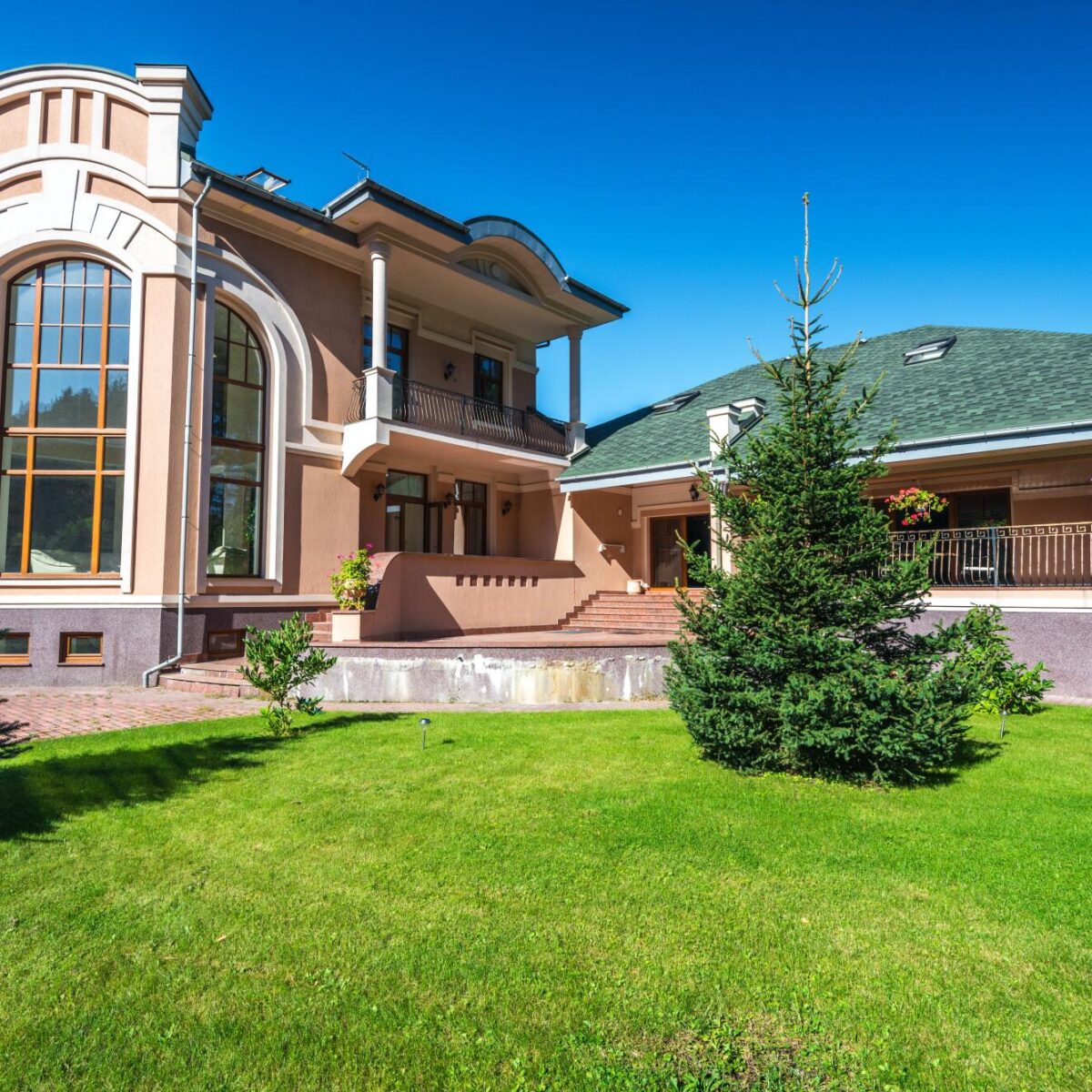
Modern luxury real estate is shifting toward protection-first value. Buyers still want beautiful design and impressive amenities. However, many now place greater weight on security, privacy, storm resilience, reliable technology, and systems that keep a property comfortable during disruptions.
A mega mansion can have a theater, wine room, resort-style pool, recording studio, and dramatic outdoor spaces. Those features can create a strong first impression. Their appeal can fade fast when a home feels exposed, fragile, or difficult to manage.
Luxury buyers are becoming more practical about what deserves their attention. A luxury home now needs to perform as well as it presents.
Flashy amenities have not disappeared. Protection has simply become part of the luxury experience.
Join Us
AllHipHop’s Daily News Service
Delivering news to inboxes since 1999. We break it. They take it. Get it first, straight from AllHipHop.
What Features Do Luxury Home Buyers Want Most?
Luxury buyers increasingly want features that improve safety, comfort, privacy, and control. High-end design remains important, yet practical function now carries greater weight.
Protection-focused features may include:
- Integrated cameras and access controls
- Smart locks and remote monitoring
- Impact-resistant windows and doors
- Storm shutters in vulnerable regions
- Backup generators or battery systems
- Water-leak detection
- Automatic water shutoff systems
- Reliable wired internet infrastructure
- Zoned heating and cooling
- Automated shades and lighting
Buyers may see more value in homes where those systems are already installed and maintained. Fewer major projects after closing can make a property easier to own.
Reliable infrastructure also supports convenience. A security system has limited value when poor internet service makes cameras unreliable. Automated climate controls become less impressive when the system is difficult to manage.
Luxury increasingly depends on how well every part of the property works together.
What Makes a House a Luxury Home Today?
A luxury home is defined by more than square footage. Location, privacy, craftsmanship, materials, architecture, technology, service, and ease of ownership all shape its position in the market.
No single feature automatically turns a large home into a luxury property. Current buyers may separate true luxury from excess by asking how well a home works under pressure.
Imported stone can look impressive. Custom lighting can transform a room. An infinity pool can attract attention.
Weak security or outdated storm protection can still make the property feel incomplete.
Better design now means combining appearance with performance. Better homes offer luxury without forcing owners to choose between style and security. Strong building systems can remain almost invisible while improving daily comfort.
Security Moves From an Add-On to a Core Design Feature
Security once appeared mainly as an optional upgrade. High-end properties increasingly include it in the original design.
Modern systems can combine:
- Cameras
- Gates
- Smart locks
- Alarms
- Lighting
- Remote monitoring
More advanced properties may add:
- Biometric access
- Reinforced doors
- Safe rooms
- Layered surveillance
Every property does not need the same level of protection.
Location and lifestyle should determine the approach. A secluded coastal estate has different risks from a penthouse in a secured building.
Privacy also matters. Entertainers, executives, professional athletes, creators, and other public figures may place greater value on controlled access.
Landscaping can reduce direct sight lines. Gates can manage vehicles. Cameras can cover vulnerable areas without dominating the architecture.
Strong security should feel integrated rather than intrusive.
Storm Resilience Gains Weight in Coastal Luxury Markets
Coastal properties face unique risks from wind, flying debris, heavy rain, flooding, and power outages. Windows and doors can become vulnerable points during severe storms. Stronger openings may help protect the building envelope from wind-driven debris.
Luxury homeowners in hurricane-prone areas often research impact-resistant products and other protective systems. Great regional resources include Reece Windows for window replacement and storm-focused improvements.
Local building codes, product approvals, installation requirements, and property conditions should guide final decisions.
Backup power also matters. Large luxury estates may depend on:
- Elevators
- Gates
- Security systems
- Refrigeration
- Climate controls
- Pumps
- Communications equipment
- Other electrical systems
A prolonged outage can affect far more than the lights. Resilience planning considers what happens after severe weather passes. A protected home should remain functional when normal conditions disappear.
Smart Systems Are Expected to Work Together
Luxury technology is moving away from scattered gadgets. Buyers often want lighting, climate controls, shades, cameras, gates, audio, entertainment systems, and security platforms to operate through an organized system.
Reliable network infrastructure becomes critical. Poor connectivity can weaken smart locks, cameras, automation systems, and remote controls. Large properties may require stronger networking than an average home.
Complex technology can also become a liability when nobody understands how to use it. Buyers reviewing luxury real estate listings should ask several questions about connected systems:
- Who installed the system?
- Which accounts transfer with the property?
- Are operating manuals available?
- Is professional support available?
- How are software updates handled?
- Can parts be replaced easily?
Technology should reduce friction. It should not create another maintenance problem.
Frequently Asked Questions
Can Protection-Focused Upgrades Affect Resale Curb Appeal?
Yes. Protection-focused upgrades can make a luxury property feel more current, complete, and easier to own. Secure entry, privacy planning, impact protection, leak detection, backup power, and organized smart-home infrastructure may reduce the amount of work a new owner faces after closing.
Resale impact still depends on the market and installation quality. Buyers should also consider whether the feature has broad usefulness.
Highly specialized security or automation systems may become less attractive when they are expensive to maintain or difficult to understand. Clear documentation can improve confidence because buyers can see how equipment was installed and serviced.
What Should Buyers Inspect Beyond Luxury Finishes?
Permits and maintenance records deserve attention. Buyers should also inspect the following:
- Building envelope
- Roof
- Windows
- Exterior doors
- Drainage
- Electrical service
- HVAC equipment
- Plumbing controls
- Backup power
- Network wiring
- Security infrastructure
Beautiful finishes can hide aging systems. Technical due diligence becomes more important as properties grow larger and more complex. Remember that a specialized inspection may reveal issues that are difficult to identify during a standard showing.
Explore More as Luxury Real Estate Moves Toward Safer Value
The next phase of luxury real estate is becoming less focused on excess for its own sake. Buyers increasingly value homes that protect privacy, resist disruption, support comfort, and remain easy to manage.
Beautiful architecture will remain important. Impressive amenities will still attract attention. Protection, resilience, and reliable infrastructure are becoming equally powerful signs of luxury.
Be sure to check out our other guides and articles.