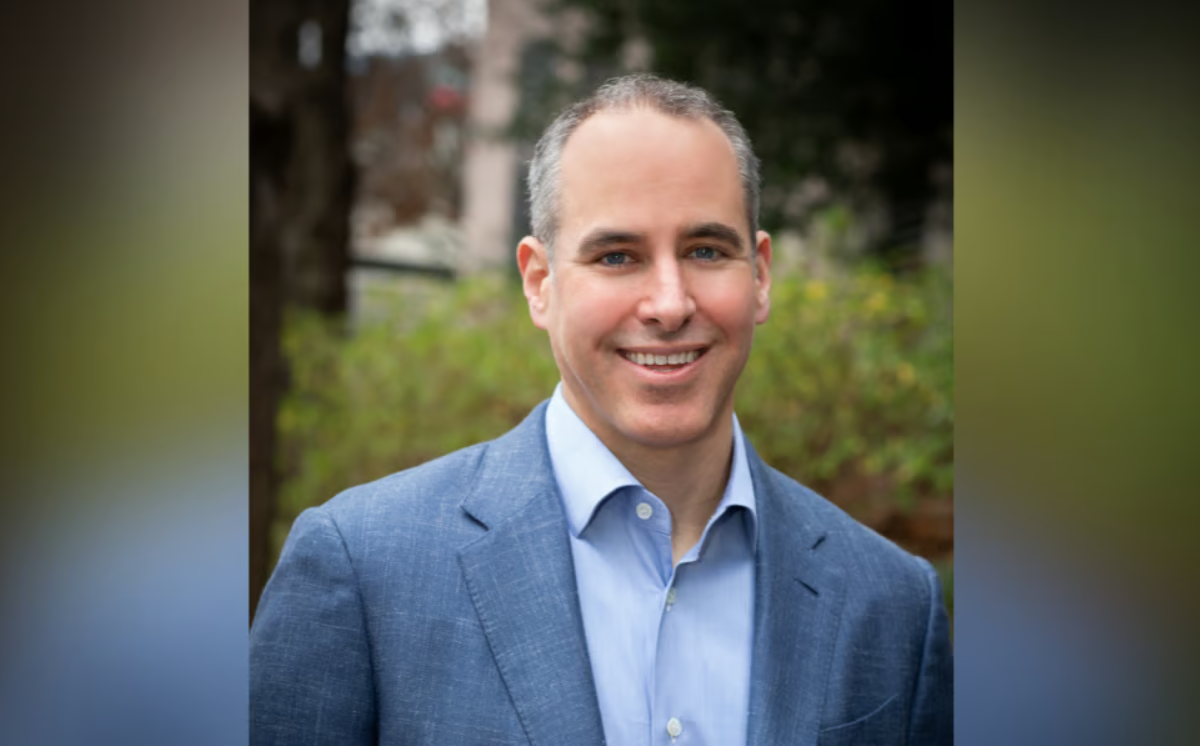
“It’s definitely been a challenging year, but it’s also started to create a lot of opportunities,” he said. “We’ve really leaned into doing a lot of direct lending and buying a lot of debt from banks and other financial institutions. And there’s been a tremendous amount of opportunity for us.”
Dramatic moves in the 10-year Treasury have grabbed headlines for their impact on average 30-year fixed residential mortgage rates, but they’ve also put severe downward pressure on asset valuations across the commercial sector and effectively locked up the transaction market. The yield has climbed approximately 100 basis points since the end of 2025 – a move that has repriced risk across the board and left many deals that looked viable a year ago now impossible to execute.
Waiting for the 10-year to settle
Friedman said the critical question is not where the 10-year yield sits today, but whether it can stabilize. He sees a calmer rate outlook as the prerequisite for any meaningful recovery in deal flow and said without it, owners and investors can’t underwrite acquisitions or dispositions with sufficient confidence to act.
“Until we have a more predictable rate environment, it’s very hard for owners and investors in real estate to be able to proactively acquire and sell assets and have a very fluid transaction market,” he said. “It’s hard to have a very fluid transaction market until you have a more predictable rate environment.”
The market choppiness that’s characterized the past two years will likely continue well into 2027, Friedman said, impacted in part by the outcome of the November midterm elections. How Washington’s balance of power shifts will have direct implications for fiscal policy, regulation, and ultimately the rate environment that commercial real estate is struggling to navigate.