

TPG is pouring fresh capital into real estate just as the broader commercial property market buckles under a wave of maturing debt, according to CoStar News. The asset manager has raised roughly $5 billion, the outlet reports, positioning itself to capitalize on mounting pressure that is pushing more property owners to sell and making once hard-to-acquire properties newly reachable.
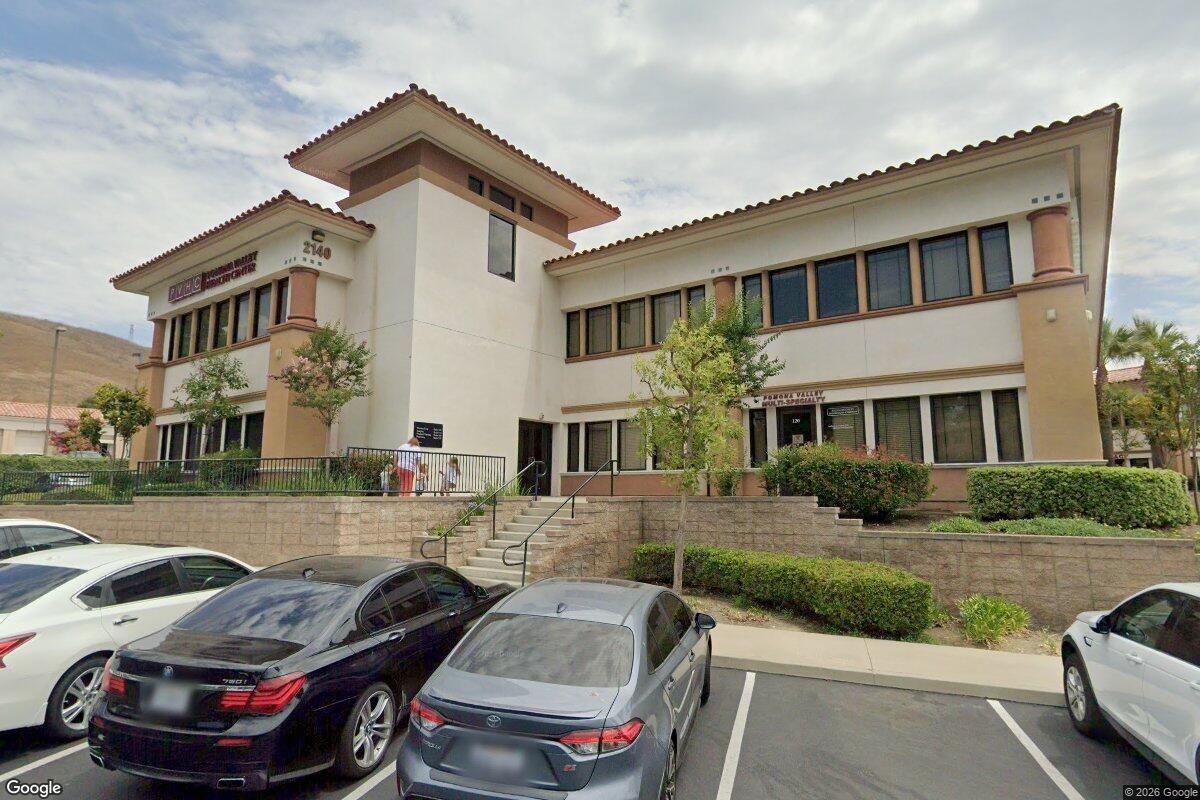
Part of that strategy is already playing out on the ground in Southern California and Arizona. TPG Angelo Gordon and Cypress West Partners have teamed up in a joint venture to acquire a medical outpatient building in Chino Hills, California, as noted in the CoStar report, and that deal is just the latest piece of a much larger buildout. According to Cypress West Partners, the two firms announced the acquisition of two medical outpatient buildings in Chino Hills and Scottsdale, Arizona, totaling 132,283 square feet of space, bringing the joint venture’s total to 13 medical outpatient properties acquired since it launched in 2024.
A Programmatic Push Into Medical Offices
The venture was never meant to be a one-off. Cypress West Partners and TPG Angelo Gordon set it up in 2024 as a programmatic effort seeking to acquire up to $300 million in medical outpatient assets, the company’s own announcement states. The Scottsdale property, known as Pima Medical Pavilion, is a two-story, 91,212-square-foot building that is 92% leased, while the Chino Hills asset is a two-story, multi-tenant building that is 94% leased, per the same announcement.
That Chino Hills building, identified elsewhere as Chino Hills Professional Plaza, carries some additional detail from the brokerage that handled the sale. According to CBRE, the property is 94% leased to a diverse mix of 15 tenants, anchored by Pomona Valley Hospital Medical Center, which occupies 48% of the building. Reported building sizes differ slightly between sources, with one listing the Chino Hills property at 41,071 square feet and another at 38,066 square feet, a discrepancy that has not been independently resolved.
TPG’s Broader Fundraising Machine
The Chino Hills and Scottsdale purchases are a small piece of a much bigger capital-raising effort at TPG. Jon Winkelried, chief executive officer and director of TPG Global, LLC, leads a firm that has built up substantial dry powder in recent years, the CoStar report notes, including a fund called TPG Real Estate Partners V. Back in 2022, TPG Real Estate Partners closed its latest opportunistic real estate equity fund with $6.8 billion in commitments, as reported by AlternativesWatch.
More recently, TPG’s inaugural real estate credit fund raised $2.1 billion, exceeding its initial $1.5 billion target by more than 35%, according to CoStar. The same report notes that TPG and TPG Angelo Gordon invested $1.9 billion across real estate in what the firm called its most active deployment quarter so far that year. The firm is raising capital for three real estate funds and plans to launch a fourth vehicle the following month, per reporting from PEI Private Real Estate.
Why Distress Is Creating Opportunity
TPG’s deployment comes against a backdrop of mounting stress across commercial real estate. An estimated $733.2 billion in commercial real estate loans will come due in 2027, with roughly $800 billion estimated to mature this year, according to Trepp data cited by CNBC. Today’s high interest rates will make refinancing significantly more expensive, the outlet reports, and the office delinquency rate in commercial mortgage-backed securities has already hit 12.16% in September.
That strain shows up across the broader lending market too. CMBS loan delinquency rates climbed to 4.97% in the third quarter of 2026, up from 4.82%, according to the Mortgage Bankers Association. Distressed commercial real estate transactions rose 26.4% year over year from January through September 2026, reaching $13.2 billion, as reported by The Real Deal, even as overall commercial real estate transaction volume climbed nearly 50% to $560 billion over the same stretch. Lodging carried the largest share of distressed deal volume during that period at 8.9%, followed by the office market at 7.8%, the outlet notes.
Medical Buildings Buck the Trend
While offices and hotels struggle, medical outpatient buildings have become one of the sturdier corners of the market. U.S. medical outpatient building investment volume reached $6.7 billion in the first half of 2026, up 21% year over year, according to Cushman & Wakefield. Single-asset sales in the sector rose 42% to $3.4 billion over the same period, while cap rates compressed 35 basis points year over year to 6.8%, the firm reports.
That resilience helps explain why TPG Angelo Gordon and Cypress West Partners keep adding to their medical outpatient portfolio even as other property types face a reckoning. Investors more broadly are reallocating capital toward digital infrastructure, logistics, senior housing, renewables and residential-oriented housing while moving away from challenged legacy property types, according to PwC, which also notes that private credit and structured capital continue to play a growing role in how these deals get done.