If you’re one of the many considering dipping your toe into the world of trading this year, then you’d be forgiven for feeling overwhelmed at the prospect. On the one hand, it might seem like everyone is doing it, but on the other, it can feel incredibly complicated, and knowing how and where to begin can appear to be an impossible feat in itself.
But thankfully, these days it’s not as complex as you might think, and a raft of new user-friendly apps and platforms have made trading more accessible than ever before to the masses – which is why everyone you speak to in 2026 seems to know something about it.
In essence, trading involves buying and selling financial assets with the aim of benefiting from changes in their prices – it really is as simple as that. But if all of the usual buzzwords – stocks, charts, markets, brokers, profits and losses – are still leaving you scratching your head, then taking some time to learn about the basic principles of trading is the key to demystifying the topic and setting you up to get started sooner, rather than later.
Here, we take a closer look at what exactly trading is, how it works, and what you need to know before making your first move.
What is trading?
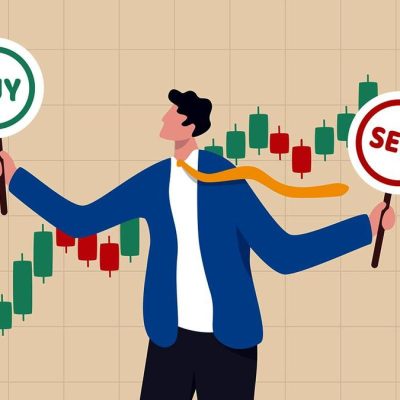
Trading is the process of buying and selling financial instruments, which may include company shares, currencies, commodities such as gold and oil, bonds, and cryptocurrencies.
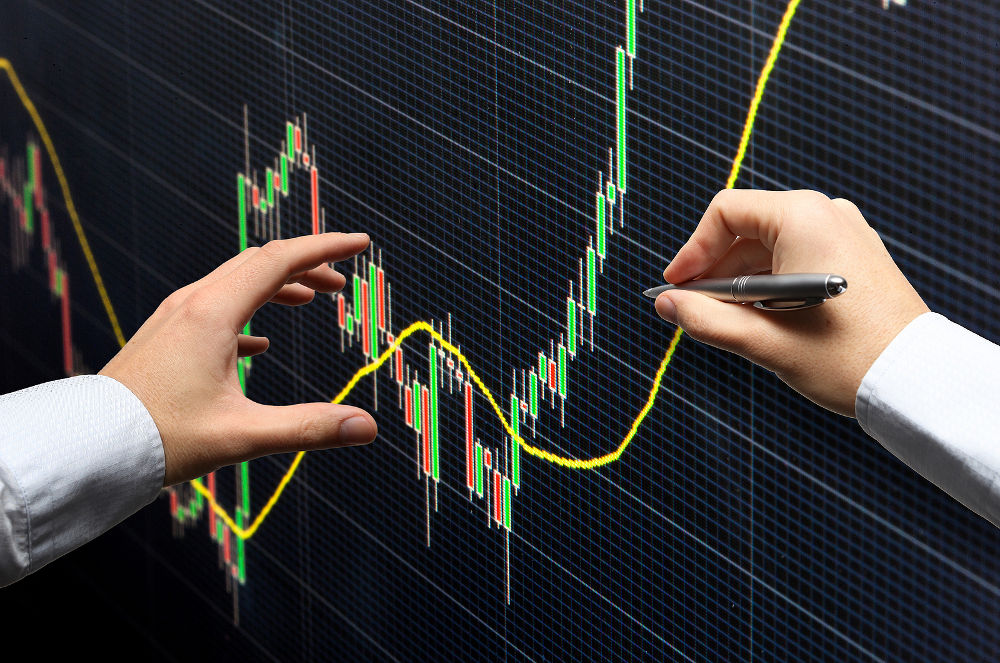
The idea is that you purchase something when it’s at a favourable (low) price, then sell it when that price increases – thus making a profit on your original investment. So if you buy shares in a company for £100 but a few weeks later, their value has shot up to £150, you could then sell it and make £50 profit – give or take any relevant fees or taxes. On the flipside, were you to sell it when the price was in freefall, you’d make a loss on your original investment instead – so if that same share decreased to a value of £50, you’d lose half of your initial investment.
With this in mind, it goes without saying that the goal is to sell when prices increase, not decrease. But essentially, by making the right moves, traders can profit from market fluctuations and buying and selling when the time is right.
How does trading work?
If you’re wondering how to start trading, most traders use a broker or trading platform that provides access to financial markets in order to place their trades.
Selecting an asset is the first step – whether that’s shares in a particular company, an ETF, or a commodity like gold. In order to do so, you’ll need to study its past performance and take note of any trends, as well as reading up on the latest financial and economical news to determine whether prices are likely to rise or fall in the short-term to ensure that you’re buying at the right time.
Once you’re ready to place your order, you’ll instruct your broker to place the trade for you. This is often done via a user-friendly trading platform, many of which offer easy-to-navigate smartphone apps that do all of the legwork for you and allow you to simply put in the values of what you want to buy or sell before executing it on your behalf.
If you’ve purchased an asset, then from here, you’ll need to monitor its position closely and keep an eye on any price fluctuations. When the time is right – for example, if the price increases – then you can then sell it for a profit on your original investment, and move onto focusing on your next trade.

The difference between the entry price (the price at which you buy) and the exit price (the price at which you sell) is ultimately what will determine whether your trade results in a gain or loss before any costs and fees are accounted for.
Investing vs trading
But are trading and investing the same thing? Yes and no.
Investors tend to have a longer-term strategy in place, purchasing shares, stocks and commodities that they believe will increase in price over time – which often means holding steady in spite of shorter-term price fluctuations. So rather than selling when the price increases slightly, they’ll hold onto it for a period of years to take advantage of its long-term growth throughout this time. Just because a price drops tomorrow, doesn’t mean it won’t rise again next week – and having the faith in their investment decisions is what keeps them dedicated to the cause.
This strategy differs from that of traders, who often work on a more short-term basis. This might mean holding positions for anywhere from a few months down to a few minutes, and buying and selling assets constantly in a bid to take advantage of short-term price fluctuations.
The bottom line
Getting to grips with trading starts with understanding the basics, and by learning what it is and how it works before is essential before getting ahead of yourself and placing your first trade. There’s a lot more to learn from here, but if you’re new to the concept, then this guide should demystify it, and prepare you to dive a little deeper.
Disclaimer: Investing money carries risk, do so at your own risk and we advise people to never invest more money than they can afford to lose and to seek professional advice before doing so.