
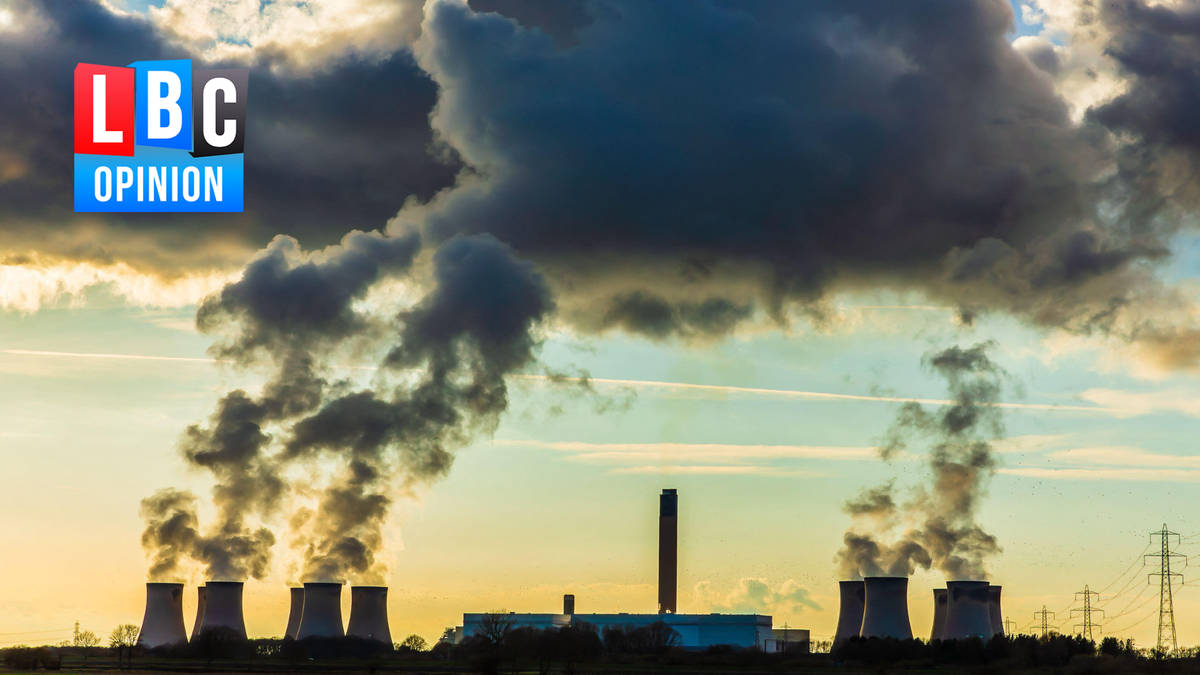
This is a bitterly disappointing outcome. No one – not the negotiators, the delegates or the businesses in attendance – wanted the fortnight to end without an agreement. However, no deal is often better than a bad deal. Fossil fuels were mentioned six times in an early draft of the agreement, but not once in the proposed final text. If we give space to voices that want to erase the biggest driver of climate change from the conversation, we risk pushing the solutions to this crisis further out of our reach.
For families in Britain turning on their heating during the first cold snap of the winter, the COP negotiations might seem a faraway concern. But, if anything, the collapse of these talks should be a catalyst for leadership at home: taking action on energy bills, furthering our commitment to energy security and reducing our reliance on overseas oil and gas.
For the vast majority of the time, the cost of energy in the UK is set by the price of international gas – a factor completely outside of our control. When global conflicts flare up, the cost of gas increases and so too do our bills. The world is slowly moving away from fossil fuels, but as this year’s COP shows, some voices are still working hard to slow this transition and keep the world reliant on gas and oil.
Even generating our own gas doesn’t do enough to bring down bills and keep us from being vulnerable to international fossil fuel markets. The Energy Secretary has been clear that owning a bit more of the gas we use will not ultimately reduce our bills at the end of the month, and the government has conceded that, even at its peak, Jackdaw will only provide enough energy to meet 3% of the UK’s needs, with the UK remaining a net importer of gas.
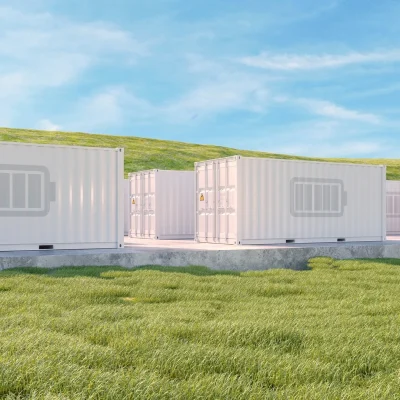
What will change bills for the longer term is bringing more renewable energy projects online here at home. Wind, solar, bioenergy, geothermal, waste-to-energy, and green gases are energy sources that no foreign government has the power to switch off. We used to talk about the trilemma – the trade-off between security, affordability and sustainability – but that issue no longer exists with renewables. We know that clean energy makes us more secure, can bring down bills, cuts emissions, and keeps our power firmly in our own hands.
Fortunately, we are already in a strong position to meet the challenge of energy security head-on. More than half of the UK’s electricity already comes from renewables, and the lights have stayed firmly on. Clean power is also driving our economy, supporting more than 145,000 jobs across the UK, many of them in rural and coastal areas that might otherwise be at risk of being left behind.
Business recognises the need for momentum here too. As governments in Antalya argued over whether fossil fuels even warranted a mention in the final deal, more than 100 companies and investors, including British names like SSE, Octopus Energy and Unilever, signed the COP31 Urgent Call for Electrification. This statement sent a clear message that businesses are committed to accelerating the transition to clean, electrified economies. And that decision wasn’t taken out of the goodness of their hearts – with nearly twice as much global investment now going into clean energy as into fossil fuels [1] – the transition is good for business.
Indeed, the growth of the clean energy economy is outpacing politics, and that should give us all hope.
COP31’s failure is not the end of the story. When COP15 in Copenhagen ended without a deal in 2009, the last COP to do so, the world regrouped and produced the legally binding Paris Agreement six years later. But the UK’s consumers and businesses shouldn’t have to wait. The biggest transformation of our energy system ever undertaken is currently in progress, and it’s going to deliver better energy security, lower bills when compared to fossil fuels, and with fewer emissions for everyone who uses power in this country.
If Sunday taught us one thing, it’s that we can’t trust our energy security to countries whose interests lie in keeping the world hooked on fossil fuels. This year, war in the Middle East pushed UK wholesale gas prices up by around three-quarters in a matter of weeks [2]. For as long as we rely on fossil fuels, our bills will be shaped by petrostates’ decisions and their conflicts.
Every clean energy project we build at home takes a little of that power back: the sun and wind powering a clean energy future that doesn’t travel through the Strait of Hormuz.
[1] IEA, World Energy Investment 2026, June 2026
[2] House of Commons Library, Economic update: Middle East conflict and the UK economy, 24 March 2026
____________________
Trevor Hutchings is the CEO of the Renewable Energy Association
LBC Opinion provides a platform for diverse opinions on current affairs and matters of public interest.
The views expressed are those of the authors and do not necessarily reflect the official LBC position.
To contact us email opinion@lbc.co.uk