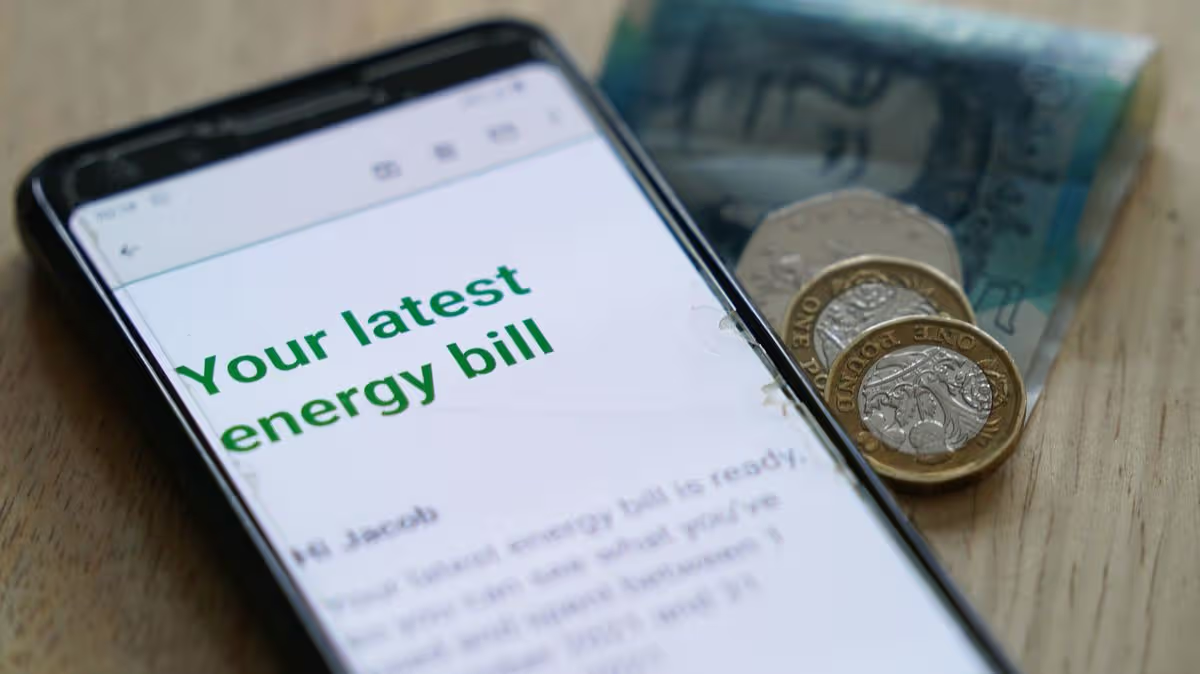
The Ofgem price cap increases to £1,862 a year from July 1, but falling wholesale gas prices have improved forecasts for household bills this autumn.

The Ofgem price cap increases to £1,862 a year from July 1, but falling wholesale gas prices have improved forecasts for household bills this autumn.(Image: Jacob King/PA Wire)
Household energy bills are rising by £221 a year from Wednesday, but people may be spared further pain in October thanks to retreating wholesale costs after the US and Iran agreed a deal to end the conflict in the Middle East.
Ofgem’s price cap will lift by 13 per cent or £18 a month from July 1 to £1,862 a year for the average household using both electricity and gas, after the conflict sent global energy costs soaring. This month’s interim peace deal has seen the vital route begin to reopen in recent days, which has helped bring down oil and natural gas prices, with the latter being a key driver of power bills in the UK.
Analysts at Cornwall Insight said they now believe the energy price cap will remain fairly steady in October.
This will come as a relief after fears the cap would rise again in October, just as households turn on their heating for the cooler months.Ofgem will announce the next price quarterly cap level for October to December on or by August 26.
It leaves a question mark over whether the Government will launch any targeted energy support for the winter months.
While it is unclear who the Chancellor will be later this year, given the change in leadership after Sir Keir Starmer resigned, cost of living and bills pressures will be top of their inbox.
Chancellor Rachel Reeves said earlier this year she would consider some form of support in the autumn if necessary and if energy prices remain high.
Even though energy bills may not go up further in October, many will face a payment shock in the winter months unless prices come down.
Figures recently released by Ofgem showed debt owed to energy suppliers reached a new record high of £4.79 billion in the three months to March – a 5 per cent increase on the last quarter and 15 per cent higher year on year – as many people struggled with rising bills.
The boss of renewable energy supplier Good Energy has called on the incoming prime minister to reform the energy market, with measures he claims could cut bills by an extra £158 a year.
In a report called Rewiring the Market: How to Tackle the Hidden Causes of High Energy Bills, Good Energy is urging the UK Government to look at moving policy costs off energy bills and into general taxation, break the link between gas and electricity prices and incentivise clean energy investment with Bank of England loans to invest in renewable energy projects.
Nigel Pocklington, chief executive of Good Energy Group, said: “Over the past five years, we have witnessed a series of energy shocks due to conflict abroad, proving that our current system is neither fit for purpose nor structured in a fair way for households to pay for their energy.
“We need to urgently reform the way the market operates to deliver and incentivise a cleaner, more affordable energy system.”
He added: “The next prime minister must set out a clear plan for how Britain will move away from high gas prices and bring bills down for good.”