

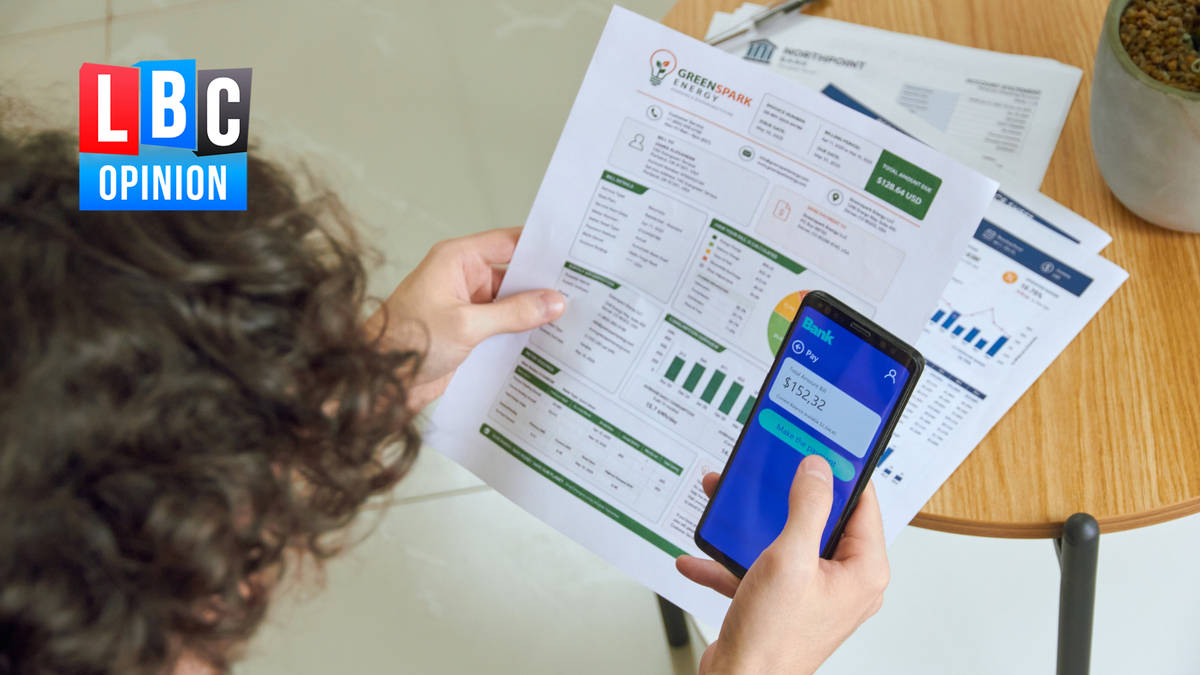
It is sensible advice. After all, competition is supposed to drive down prices, reward businesses offering better value and give consumers greater choice.
So imagine my disbelief at the news that Ofgem, the very regulator tasked with protecting energy consumers, is considering bringing back a scheme that could effectively punish competition.
Under the proposal, known as the Market Stabilisation Charge, when wholesale energy prices fall significantly, a supplier gaining a new customer could be required to compensate the supplier that the customer has left.
Yes, you read that correctly.
An energy company could receive compensation because its customer has found a better deal elsewhere.
Who ultimately pays the price? Consumers, of course.
The charge would be paid between energy suppliers, rather than appearing as a direct fee on your bill. But suppliers could factor that additional cost into the deals they offer, reducing the savings available to households wanting to switch.
Consumer champion Martin Lewis has already raised serious concerns about the proposal, and I share them.
Now, I understand Ofgem’s argument. We witnessed numerous energy suppliers collapse during the energy crisis, leaving customers facing uncertainty and contributing to substantial costs across the market.
Nobody wants a repeat of that.
But protecting the stability of the energy market must not become an excuse for protecting energy companies from competition.
When wholesale energy prices rise, consumers are expected to accept higher bills. When prices fall, surely consumers should be entitled to benefit from those reductions?
We cannot have a system where households shoulder the financial pain when prices increase, while energy companies receive protection when market conditions move against them.
That is not how a genuinely competitive market should operate.
And let’s not forget the wider picture.
Millions of households are still struggling with energy costs. Families are carefully managing their heating, pensioners are worrying about winter bills, and consumers are desperately looking for ways to save money.
Against that backdrop, the idea of introducing a mechanism that could make switching less rewarding seems completely out of touch.
Ofgem will undoubtedly argue that a stable energy market benefits consumers in the long term. And that is true.
But stability and competition are not mutually exclusive.
The regulator should be demanding better financial resilience from suppliers, ensuring businesses are properly capitalised and preventing reckless commercial practices.
It should not introduce unnecessary barriers that could discourage suppliers from offering customers cheaper prices.
There is also a question of fairness.
If an energy company loses customers because a competitor offers better value, why should that company receive financial protection?
In almost every other competitive market, businesses understand that losing customers is a commercial risk.
Why should energy suppliers be treated differently?
Ofgem’s statutory responsibilities include protecting the interests of existing and future consumers. That must remain its overriding priority.
Before proceeding, I want to see compelling evidence that this charge is genuinely necessary, that less restrictive alternatives have been exhausted and, crucially, that consumers will not be left paying more as a consequence.
Because the danger is obvious.
We could end up with an energy market where consumers are encouraged to switch, but the financial incentives for suppliers to compete for their business are weakened.
And that would be a backwards step.
Ofgem should remember one simple principle: the energy market exists to serve consumers, not the other way around.
So here’s my question: if you find a cheaper energy deal and decide to switch, should your old supplier really be entitled to compensation because you’ve taken your business elsewhere?
I know what my answer is.
What’s yours?
____________________
Dean Dunham KC presents LBC’s Consumer Hour every Sunday from 9pm-10pm.
LBC Opinion provides a platform for diverse opinions on current affairs and matters of public interest.
The views expressed are those of the authors and do not necessarily reflect the official LBC position.
To contact us email opinion@lbc.co.uk