

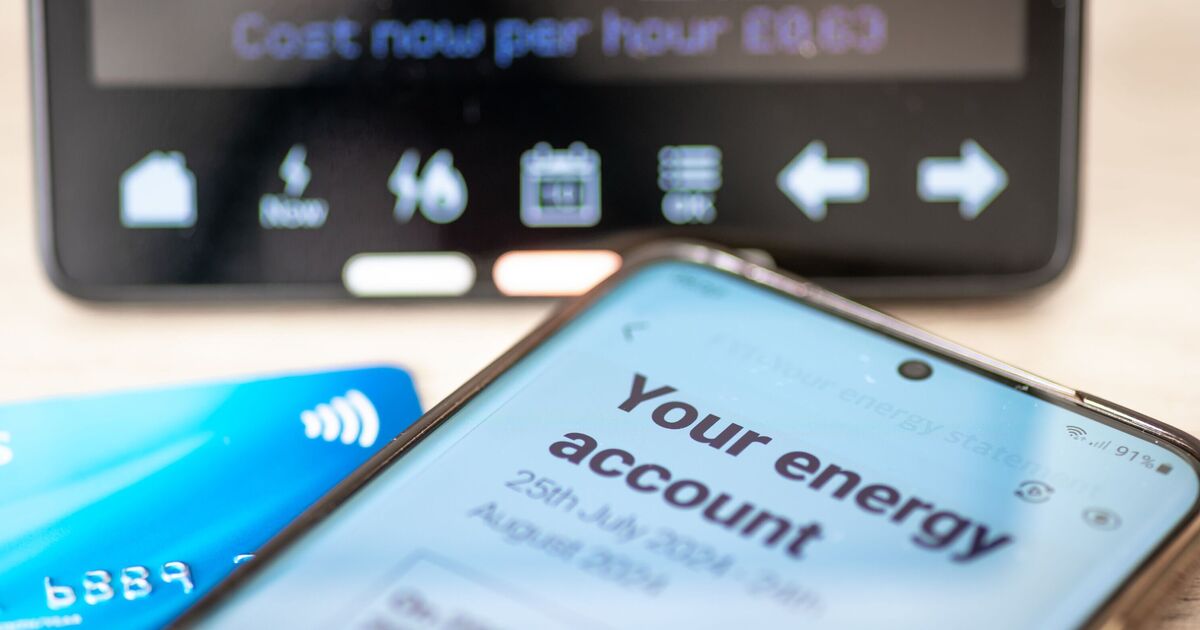

I’m a personal finance expert – here’s how to cut your energy bills ahead of winter rises. (Image: Getty)
The nation’s energy bill headache is far from the point of easing. Households whose tariffs track the energy price cap saw their bills rise by around 4% on October 1 – the second consecutive hike of the year – and the trend is only forecast to continue.
In January, when the price cap is next due for an update, current forecasts suggest the energy regulator Ofgem could raise prices between 16% and 26% due to volatile wholesale gas prices, compounded by the conflict in the Middle East. This could add between £276 and £449, with average annual costs reaching up to £2,172 (up from the current £1,723). This will take bills back to levels we saw during the 2022-2023 energy crisis.
These figures will be concerning to many at first glance. And it’s crushing that just as it felt like we were coming out of the other side of soaring living costs, we’re being brought right back to square one. But try not to worry; there are some important factors to be aware of and simple steps you can take to mitigate these hits.

Use a comparison site to compare the cheapest fixed energy deals. (Image: Getty)
Firstly, the energy price cap, which is reviewed every three months by the regulator Ofgem, caps unit rates for electricity and gas – not total bills. It also sets the maximum daily standing charge, which is the cost of having your property connected to the grid.
If you’re worried about that £2,172 figure, it’s important to note that this is an estimate based on a dual-fuel household with two to three members, using Ofgem’s “typical” energy usage figures. If you use less energy, you’ll pay less. Equally, if you use more, you’ll pay more.
Secondly, price cap changes only affect customers on standard variable tariffs (SVTs). If you’re locked into a fixed rate – and an estimated 11 million households are – your unit rates will not change, and you won’t feel any new pinches for the foreseeable.
For the 20-odd million households on SVTs, which are tariffs that track the volatile price cap, experts widely recommend switching to a cheaper fixed-rate tariff. These tariffs lock in unit rates for a set period, offering lower prices (if chosen right) and greater bill certainty.
You can use comparison sites like MoneySuperMarket or Uswitch to find the best deal. Compare the gas and electricity unit rates against the cap to find the cheapest one. Consumer Champions Which? suggests households opt for a tariff that’s fixed for around 12 months, and avoid deals with hefty exit fees.
At the time of writing, several fixed-energy deals undercut January’s predicted cap. The cheapest option on the market is priced £345 lower, and that’s with Outfox Energy, according to Uswitch’s most recent analysis.
Cheapest 10 fixed-rate energy tariffs
Source: Uswitch.com. Prices are correct as of 8.59am, October 22, 2026. The tariffs included in the table are the cheapest non-bundle fixed tariffs, not variable or tracker tariffs. All energy tariffs and prices mentioned are subject to change without notice, and rates vary by region. These are the cheapest tariffs available from suppliers that have updated Uswitch with their rates. January 2027 price cap prediction: £2,172, a 26% increase on October’s price cap.
Predictions using averages from EDF, British Gas and E.ON Next’s Price Cap Forecasting Services, as of October 22, 2026, based on dual-fuel customers consuming medium energy usage as defined by Ofgem’s new Typical Domestic Consumption Values (TDCV) (2,500 kWh of electricity and 9,500 kWh of gas per year), paying by direct debit, with paperless billing.
Quick energy-saving wins around the house

Turning your thermostat down by 1C could save around £100 per year. (Image: Getty)
To save even more cash, efficiency is key. The Energy Saving Trust (EST) estimates that people can save as much as £45 per year by turning off devices left on standby, such as TVs and game consoles. People could save an extra £50 per year by avoiding the tumble dryer.
Even smaller actions, like simply not overfilling your kettle when you boil it, could save you a tenner per year, while fitting an aerator onto your kitchen tap (a small gadget with tiny holes that attaches to the spout and reduces the amount of water coming out) could save an estimated £20 a year.
LED bulbs use 80% less electricity than halogen bulbs, but are just as powerful. And turning your thermostat down by 1C could save you around £100 per year, according to EST. The most comfortable temperature is 18C to 21C, so if your thermostat is set any higher, you could save money by turning it down a notch, if possible.
If you’re in arrears, speak to your supplier early and find out what they can do to help. They can help organise a suitable repayment plan.
The likes of EDF, Octopus, and British Gas (and more) offer support funds to help customers with bills, be it wiping them off, offering payment holidays, or supplying energy-efficient devices. Please contact your supplier if you’re struggling – don’t stick your head in the sand.
More than nine million homes entering winter in energy debt

More than nine million households are heading into winter either behind on energy bills. (Image: Getty)
More than nine million households are heading into winter either behind on energy bills or with no credit built up to soften higher bills, research from Uswitch shows. Two in five (40%) are more worried about paying for their energy this winter than last.
Even among those in credit, only three in 10 (29%) have built up £300 or more, while the typical bill-payer has between £51 and £100.
Ben Gallizzi, energy expert at Uswitch.com, said: “Credit is the cushion that turns a frightening winter bill into a manageable one, but for millions, building a summer buffer for the winter simply hasn’t happened. With the price cap forecast to jump by around a quarter in January, it is no surprise that worry is climbing. Nearly a quarter of people feel there is nothing they can do, but a few simple actions could make a huge difference.
“If you are deeply in arrears on your energy account and not sure what to do, speak to your supplier early and ask for an affordable repayment plan. Find out if you could be entitled to support. If you are on a standard variable tariff, it’s not too late to act. There are fixed deals on the market well below the predicted January cap.
“For many, it’ll also be about taking control of the energy being used. Smart meter households can connect to the free Uswitch app to see how much energy they use each day and where to cut back safely to manage winter bills.”
Households struggling with payments can use Uswitch’s energy help guide to see what help may be available.