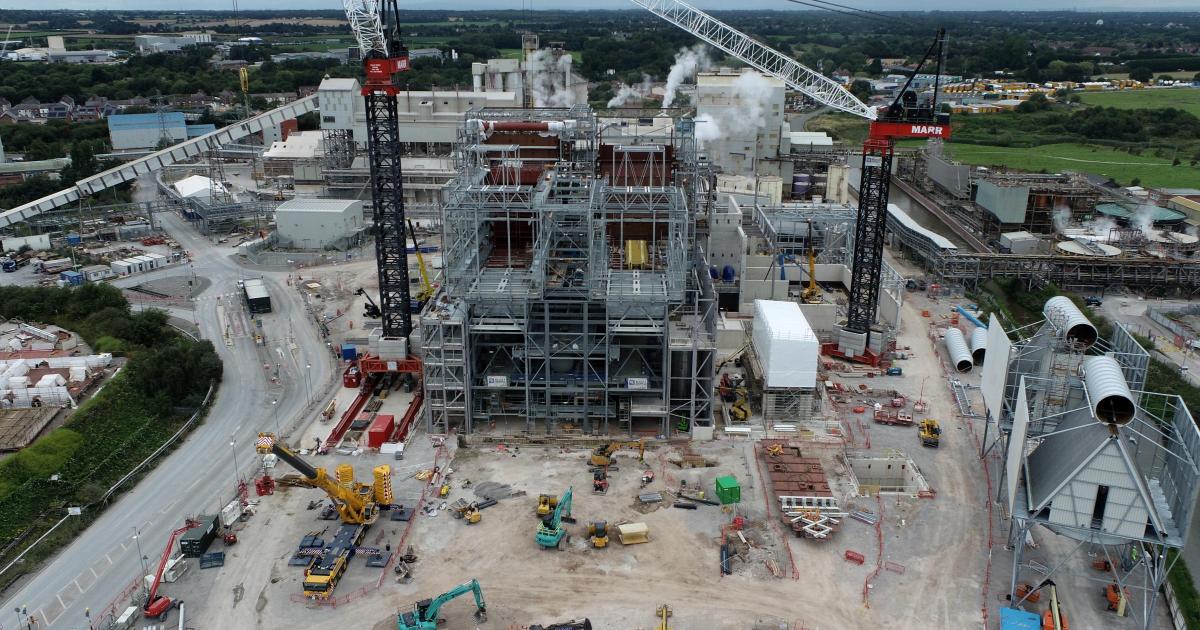
Lostock Sustainable Energy Plant (LSEP), in Lostock Gralam, is set to burn around 600,000 tonnes of landfill annually, and there is an application in place to allow it to accept around 20 per cent more.
The waste plant, one of the largest of its kind in Europe, will produce between 69 and 90 megawatts of electricity, to be piped into the national grid.
This is enough to power around 120,000–125,000 homes.
While burning landfill generates electricity and reduces the volume of rubbish needed to be gotten rid of, the process also emits high levels of carbon dioxide.
In some cases, the process was found to be equivalent to burning fossil fuels, and studies show burning rubbish can actually be as carbon intensive as burning coal, according to evidence from the BBC.
On a local level, burning would-be landfill is also connected with increased particulate pollution levels, which can damage health.
While these risks are monitored and mitigated as far as possible, solutions available at present are far from perfect.
Since building the Lostock plant began, planning authorities across the UK have begun to favour much smaller incinerator-based energy projects due to the likely impact on surrounding communities.
Companies responsible increasingly frame incineration as part of net‑zero strategies, emphasising avoided methane from landfill and energy recovery.
Community relations are also emphasised, and with this in mind, LSEP is providing £50,000, available to community groups across Northwich, as it strives to make a ‘lasting difference’ to community health and well-being.
Individual groups can apply for up to £2,500, or in certain circumstances, up to £10,000 if the firm’s community value aims are met.
A spokesman for LSEP said: “This fund is LSEP’s way of giving something back to the communities around the plant.
“We want to leave a positive, lasting legacy by supporting local projects which make a real difference to people and the environment as we head towards operations in 2027.”
Applicants have until Tuesday, June 30, to submit their applications.
If funds are still available following this, there will be another round of applications, expected to take place before the end of 2026.
According to operators, LSEP has supported around 800 jobs during construction, with around 50 high quality full-time operational roles currently being recruited, providing jobs for locals.
For more details of remaining vacancies, visit www.fccenvironment.co.uk.