
Why is gold price down by 2% and silver by 4.2%, and will precious metals continue to drop or rise again?
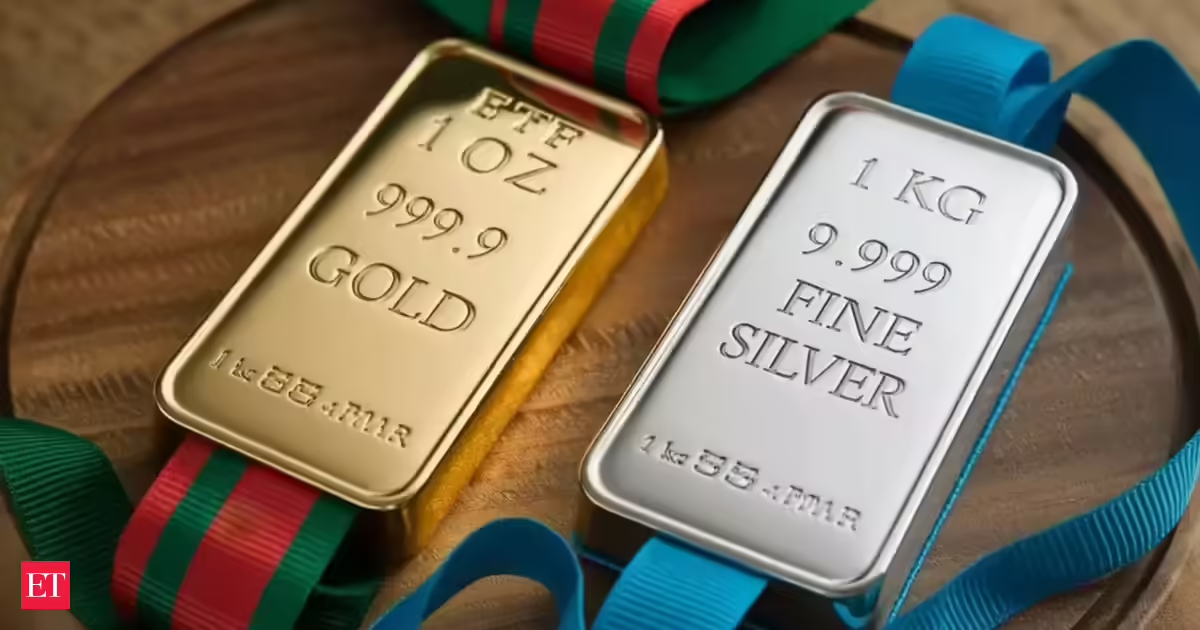
Gold prices fell 2% during trading. Spot gold dropped 1.4% to $4,441.20 per ounce by 1024 GMT after earlier losses. U.S. gold futures for April delivery fell 2.5% to $4,438.50.
Silver prices declined more sharply. Spot silver dropped 4.2% to $68.31 per ounce. Platinum fell 1.8% to $1,884.61. Palladium declined 3.4% to $1,375.49.
The decline happened after oil prices rose about 3%. Oil crossed the $100 mark again. Rising oil prices increased inflation concerns. This led markets to reduce expectations of U.S. interest rate cuts this year.
Higher inflation expectations push central banks to keep rates high. Precious metals often fall when interest rate expectations rise.

Why is gold price down by 2% and silver by 4.2%?
Several market factors caused the fall in precious metals. Oil prices increased because of concerns about fighting in the Middle East. Investors fear disruption to global energy supply. This pushed inflation expectations higher.
The U.S. dollar strengthened as investors looked for safe assets during global conflict. A stronger dollar makes gold more expensive for international buyers. This reduces demand.U.S. Treasury yields also rose. The benchmark 10-year Treasury yield reached near eight-month highs. When bond yields rise, investors earn returns from bonds. Gold does not provide yield. This raises the opportunity cost of holding gold.
Gold is often seen as an inflation hedge in the long term. However, higher interest rates reduce its appeal in the short term.
Markets now see a 38% chance of a U.S. rate hike by December. About 93% expect rates to stay unchanged at the April Federal Reserve meeting. Traders see only a 3% chance of a rate cut in December. Earlier, markets expected at least two rate cuts in 2026. These changes in expectations pushed gold and silver prices lower.
Will precious metals continue to drop or rise again?
Future price direction depends on several global factors. The conflict involving Iran continues to affect markets. U.S. President Donald Trump said Iran wanted a deal to end the fighting. Iran’s foreign minister said the country was reviewing a U.S. proposal but had no plans to start talks. The situation continues to influence oil prices and global economic expectations.
If inflation continues to rise due to energy prices, central banks may keep rates high for longer. This could pressure gold and silver prices.
However, global conflict and economic uncertainty often increase demand for safe assets like gold. This could support prices if risks increase further.
The balance between high interest rates and global uncertainty will decide the direction of precious metals.
Analysts insights and market outlook
Market analysts link the drop in precious metals to the stronger U.S. dollar and rising bond yields. Concerns about an energy crisis are pushing inflation higher. Central banks may take a stricter policy stance.
Higher rates support the dollar and bond yields. This reduces demand for non-yielding assets like gold.
Investors now monitor Federal Reserve policy signals. Any sign of rate cuts could support precious metals again. Until then, metals may face pressure.
What should investors do now?
Investors are watching inflation, oil prices, and interest rate signals. Short-term volatility may continue in gold and silver prices.
Long-term investors often hold precious metals as protection against inflation and economic risk. Short-term traders may react to rate expectations and currency movements.
Market participants are focusing on Federal Reserve meetings, oil price trends, and global conflict developments. These factors will shape future movements in precious metals.
FAQs
Q1: How do rising Treasury yields affect gold and silver prices?
Rising Treasury yields increase returns from bonds. Gold and silver do not offer yield. Investors shift funds to bonds, reducing demand for metals and pushing prices lower during periods of rising yields.
Q2: How does a stronger U.S. dollar influence precious metals?
A stronger U.S. dollar makes gold and silver more expensive for international buyers. This reduces global demand and often leads to price declines in precious metals markets.