Artificial intelligence is fueling a boom in data centers. Electric vehicles (EVs) continue to gain market share globally. Together, these trends are driving demand for the metals that enable modern infrastructure. The challenge, however, is finding enough of them.
That’s where The Metals Company (TMC +5.01%) comes in. Rather than digging deeper into the earth, the company wants to collect metal-rich rocks that already lie on the Pacific Ocean floor. It’s an unconventional idea that has captured investors’ attention — and could potentially reshape how critical minerals are sourced.
There is both opportunity and risk here. Let’s consider them.
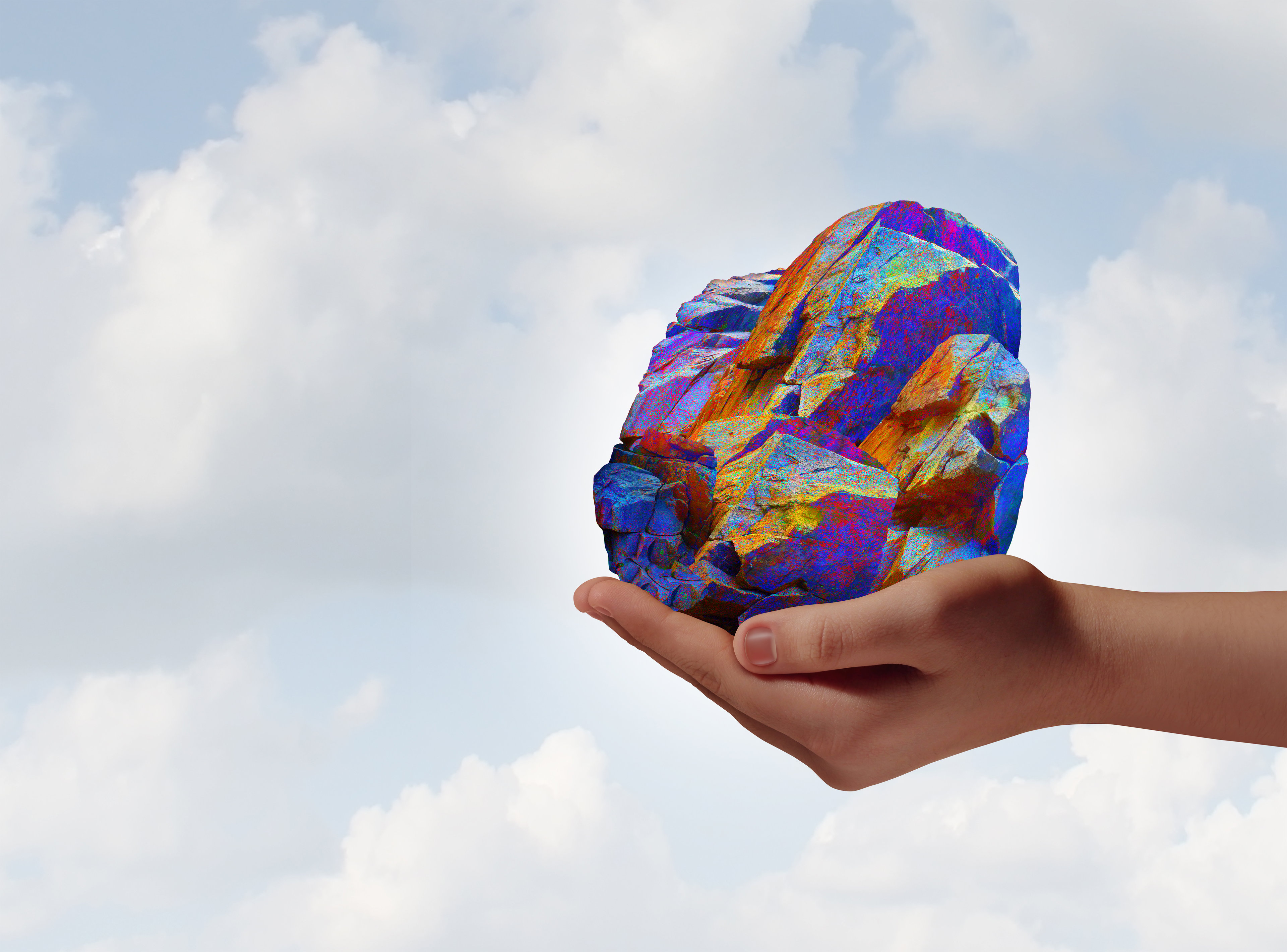
Image source: Getty Images.
The mining industry needs new sources
The world relies on nickel, copper, cobalt, and manganese for everything from electricity networks and industrial equipment to batteries and defense technologies.
While these metals remain abundant, bringing new production online has become increasingly difficult. Many high-quality deposits are harder to reach, projects require enormous upfront investment, and permitting timelines have grown longer.
For perspective, EV sales are set to exceed 1 billion in the coming years. And to build those cars, we would need 56 million tons of nickel, 7 million tons of manganese, 7 million tons of cobalt, and 85 million tons of copper. But in 2019, we produced only 2.3 million tons of nickel (only 50% suitable for batteries), 18 million tons of manganese, 140,000 tons of cobalt, and 12 million tons of copper globally.
As demand for critical minerals continues to grow, the mining industry is under increasing pressure to find new sources of supply. The result is a growing search for new ways to produce the metals needed to support long-term economic growth.
The Metals Company believes the answer may already be sitting on the seabed.

Today’s Change
(5.01%) $0.20
Current Price
$4.19
Key Data Points
Market Cap
Day’s Range
$4.04 – $4.25
52wk Range
$3.84 – $11.35
Volume
2.1M
Avg Vol
5.7M
Mining without digging
Instead of blasting rock or excavating open pits, The Metals Company plans to harvest polymetallic nodules from the Clarion-Clipperton Zone, a vast area of the Pacific Ocean between Hawaii and Mexico. These potato-sized nodules formed naturally over millions of years and rest unattached on the ocean floor. Each one contains four commercially valuable metals — nickel, copper, cobalt, and manganese — allowing multiple critical minerals to be recovered from a single resource.
The Metals Company’s business model is straightforward. First, the company will secure exploration and future production rights over areas containing polymetallic nodules. Next, it will use specialized collector vehicles that travel across the seabed, gather the nodules, and send them to a production vessel on the surface. From there, it will transport the nodules to a processing facility to refine them into final products — nickel, copper, cobalt, and manganese.
It will then sell these products to customers to produce other end products. In other words, the company’s revenue model looks much like that of a traditional miner. The difference lies in the source of the raw material.
The opportunity and the risks
The biggest attraction to this company is the potential in the years ahead. The Metals Company believes its contract areas contain one of the world’s largest undeveloped resources of critical battery and industrial metals. If commercial operations become a reality, the company could become the biggest global supplier of nickel and manganese.
Supporters also argue that collecting nodules from the seabed could avoid some of the costs associated with conventional mining, since the nodules already rest on the ocean floor; there is no need to drill or blast rock before collection. If these advantages translate into lower production costs, the company could become a competitive supplier of strategically important minerals.
Despite all the potential, the stock remains a highly speculative investment. The first hurdle is regulation. Commercial deep-sea mining has yet to become an established global industry, and the approvals needed to begin full-scale production remain uncertain.
Environmental concerns are equally important. Scientists and conservation groups warn that the deep ocean remains one of the least-understood ecosystems on Earth and argue that disturbing the seabed could have long-lasting effects on marine life.
In other words, we are still in the very early days of this opportunity.
What does it mean for investors?
The Metals Company isn’t simply developing another mine. It’s attempting to create an entirely new branch of the mining industry. If the company succeeds, it could unlock a vast new source of critical minerals at a time when global demand continues to climb.
Still, the risk is high — regulatory setbacks, environmental opposition, or technical challenges could prevent the business from ever becoming commercially viable. That combination of enormous potential and equally significant uncertainty is precisely why investors are getting excited about the stock.