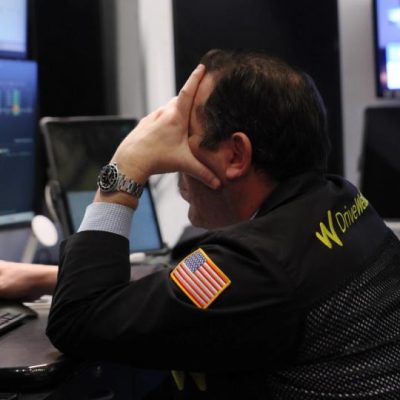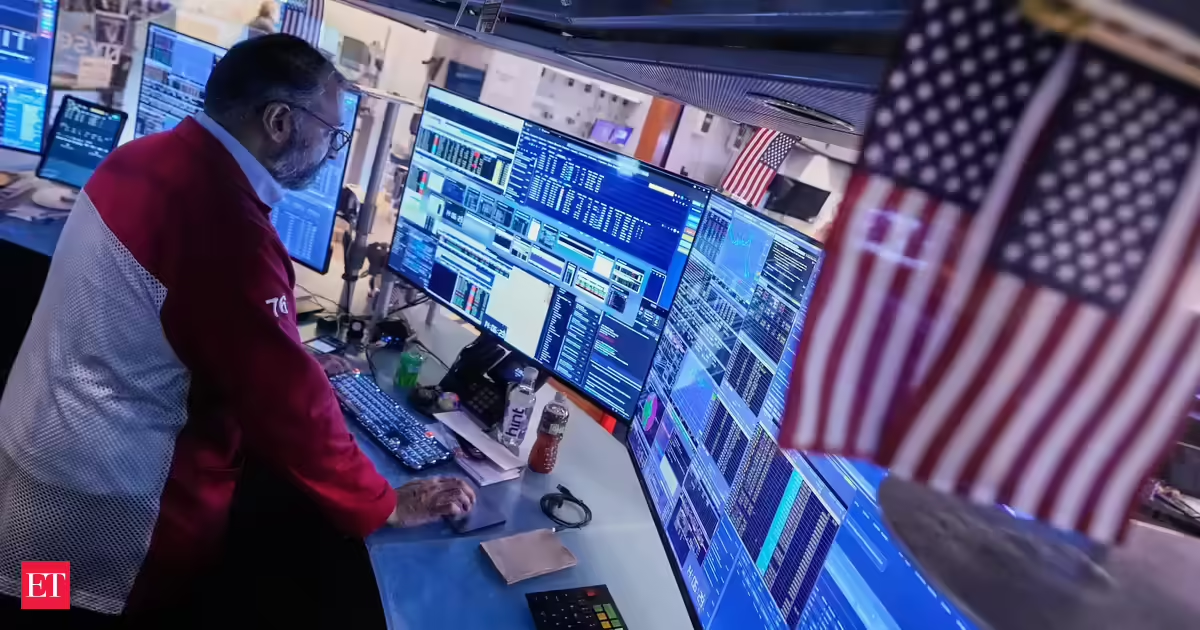
Why are US stock market futures crashing today and Dow, S&P 500 and Nasdaq in red now?
US stock market futures are falling after signals of stronger US military action against Iran increased global uncertainty. Investors reacted quickly as the possibility of strikes on Iranian energy infrastructure raised fears of supply disruption and higher oil prices. Brent crude moved above $108 per barrel, which pushed energy stocks higher but pressured the wider market.
Higher oil prices brought back concerns about inflation. Rising energy costs can increase transport and production expenses. This may slow the decline in inflation and affect expectations for Federal Reserve interest rate cuts. Markets now expect no rate cuts this year after earlier forecasts predicted two cuts before the conflict began.
Volatility also increased as traders responded to mixed signals about the timeline of the conflict. The VIX index moved higher, showing rising market fear. Futures tied to the Dow, S&P 500, Nasdaq and Russell 2000 all dropped as investors shifted toward safer positions.
The decline comes despite the indexes heading toward their strongest weekly gain in four months. Earlier optimism about a possible end to the conflict supported markets, but the latest developments changed sentiment and pushed futures into the red again.

Wall Street futures fall
Wall Street futures fell in premarket trading as investors reacted to rising geopolitical tension and higher oil prices. Futures linked to the Dow, S&P 500 and Nasdaq moved lower before the final session of a shortened trading week. The decline reflected concern about global conflict and its impact on inflation and interest rates.
Oil prices surged after signals of possible strikes on Iranian energy infrastructure. Brent crude moved above $108 per barrel. Higher energy costs raised fears that inflation could stay elevated. This changed expectations for Federal Reserve rate cuts and added pressure on equities.The CBOE VIX index also moved higher, showing increased market volatility. Small-cap stocks tracked by the Russell 2000 futures fell alongside major indexes. Investors shifted toward cautious positions as uncertainty around the conflict timeline continued.
Despite the fall, Wall Street indexes are still on track for their strongest weekly gain in four months. Earlier optimism about a possible end to the conflict had supported markets, but the latest developments led to renewed selling in futures.
US stock market opens in red as geopolitical risk rises
The latest fall came after the US president signaled stronger military operations in the next two to three weeks. The possibility of strikes on Iranian energy infrastructure raised concern across global markets.
Oil prices rose about 7%. Brent crude futures moved to $108 per barrel. Energy sector stocks moved higher in premarket trading. Exxon Mobil gained 3.1%. Chevron rose 2.6%.
Market participants said uncertainty drove the selloff. Conflicting signals on the conflict timeline increased caution among investors. Lack of clarity about a resolution kept traders defensive.
At 06:45 a.m. ET:
- Dow E-minis fell 499 points or 1.07%
- S&P 500 E-minis fell 1.24%
- Nasdaq 100 E-minis fell 1.6%
- Russell 2000 futures fell 1.6%
The CBOE VIX volatility index rose to 26.64 after touching a one-week low earlier.
Impact of oil and inflation fears on US stock market futures
Higher oil prices created fresh inflation concerns. Rising energy costs can increase transportation and production expenses. This may slow progress in reducing inflation.
The S&P 500 and Nasdaq recorded their largest monthly losses in one year during March. Brent crude posted its strongest monthly performance on record.
Money markets now expect no interest rate cuts this year. Earlier forecasts expected two rate cuts before the conflict began. At one stage, markets even priced in a chance of a rate hike in December. This shift in expectations added pressure on stocks. Interest rates influence borrowing costs and corporate growth outlook.
US stocks to watch out for
Investors also tracked corporate developments. Elon Musk’s SpaceX confidentially filed for a US initial public offering. Reports suggest a possible valuation of $1.75 trillion.
The news pushed interest in space companies. Rocket Lab, Planet Labs and Intuitive Machines rose earlier in the week. Globalstar shares jumped 11.6% after reports that Amazon is in talks to acquire the satellite company. Estee Lauder shares moved slightly lower after reports of talks with Spain’s Puig for a stock-based deal. These developments added stock-specific movement amid broader market decline.
Will Dow, S&P 500 and Nasdaq rise again?
Despite the drop, major indexes are still set for their largest weekly rise in four months. This week may become the first weekly gain in six weeks.
Earlier in the week, investors believed the conflict could end soon. That optimism pushed markets higher. The latest geopolitical signals reversed part of that sentiment.
The Good Friday holiday will keep US markets closed. Weekly jobless claims data and upcoming nonfarm payrolls figures remain key economic indicators.
Analysts insights and market outlook
Analysts noted that uncertainty creates volatility. Mixed signals from policymakers and ongoing conflict reduce investor confidence. Attention will turn to remarks from Dallas Federal Reserve President Lorie Logan. Markets will watch for clues on monetary policy direction.
Future moves may depend on:
- Oil price stability
- Inflation trends
- Federal Reserve policy decisions
- Geopolitical developments
- Corporate earnings and IPO activity
What should investors do now?
Investors are focusing on risk management and diversification. Volatility often increases during geopolitical conflicts and policy uncertainty. Market participants are monitoring economic data releases and corporate developments. Long-term strategies and balanced portfolios remain central during uncertain periods.
FAQs
Q1: Why do oil prices affect US stock market futures?
Oil prices affect US stock market futures because rising energy costs increase inflation pressure, reduce corporate margins and change Federal Reserve rate expectations, which often leads to market volatility and falling futures.
Q2: What data are investors watching after US stock futures fall?
Investors are watching jobless claims, nonfarm payrolls, Federal Reserve remarks, oil prices and geopolitical developments to understand economic direction and possible recovery in Dow, S&P 500 and Nasdaq.