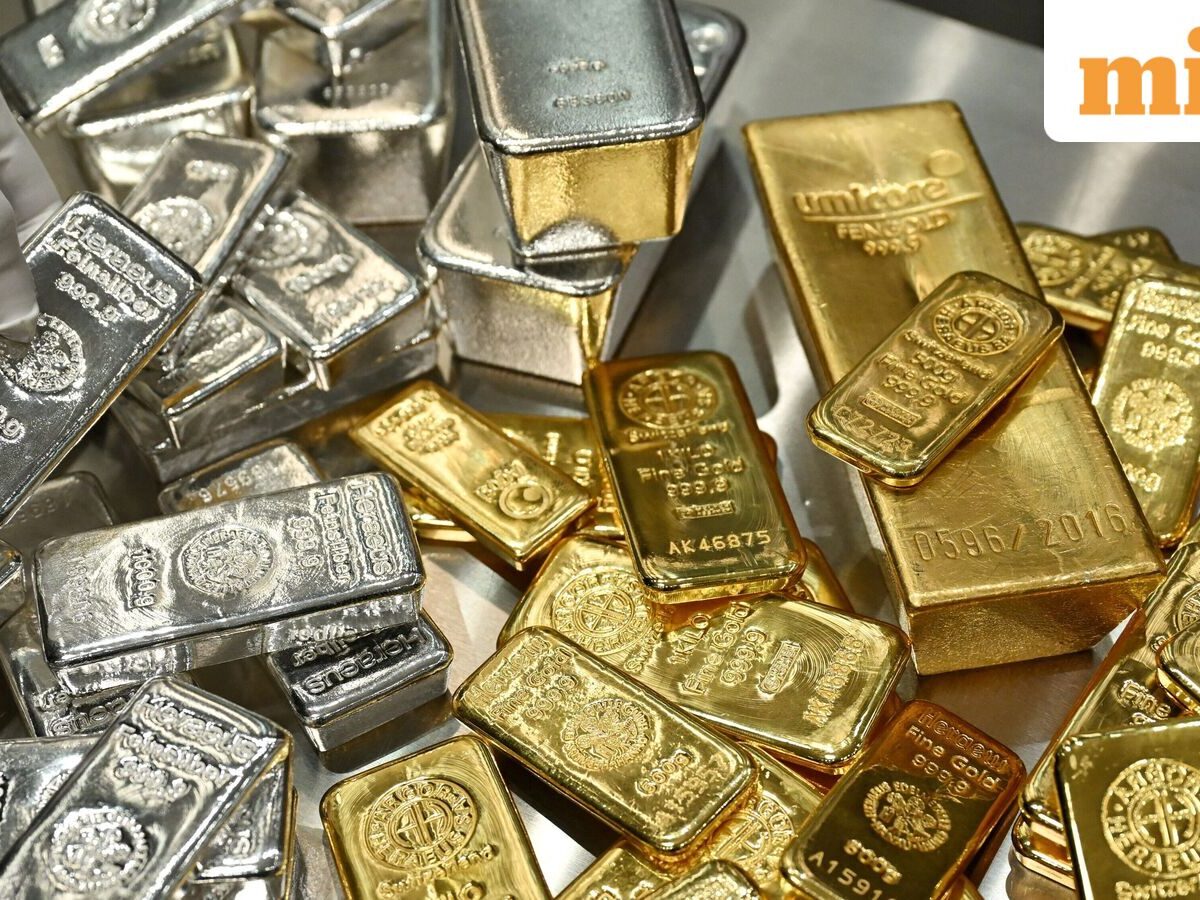
Gold and silver exchange-traded funds (ETFs) have captured the imagination of investors with their stellar performance in recent months. While gold and silver ETFs have been riding high on the sharp rally in the prices of these commodities, another category in this space has also delivered strong returns.
Metal ETFs, which invest in a diversified range of companies engaged in the metals business, including steel, copper and aluminium, are among the best performers in the last one year. They have gained more than 32% on average in the one-year timeframe on a Compounded Annual Growth Rate (CAGR) basis, trailing only gold and silver ETFs in the performance chart. Here is a guide to metal ETFs, the reasons for their recent outperformance and how they compare vis-à-vis other asset classes.
Metal ETFs: What are the reasons for their recent outperformance?
Metal ETFs invest in a range of widely used metals such as steel, copper and aluminium. Since they invest in a diversified range of metals, their ‘concentration risk’ is low compared to similar products. Any steep fall in the prices of a specific metal will not adversely affect the returns of the ETF, as the exposure to it will be limited.
These ETFs have gained traction in recent months due to a host of factors. “The recent strong performance of metal ETFs can be attributed to several factors, including the improvement in global industrial demand, the expectation of increased spending on infrastructure projects, and constraints on the supply side of major basic metals such as copper,” said Mukesh Pandey, Founder and MD, Rupyaapaisa.com, a financial consultancy.
| NEW SHINE | |||
|---|---|---|---|
| Fund Name | 6-month returns (%) | 1-year returns (%) | |
| Mirae Asset Nifty Metal ETF | 9.3 | 31 | |
| ICICI Prudential Nifty Metal ETF | 9 | 31 | |
| Groww Nifty Metal ETF | 9.2 | NA | |
| Nifty Metal TRI | 8.7 | 31.8 |
“Metal ETFs have delivered a steady return of nearly 35% over the past year, supported by a combination of favourable macroeconomic and commodity-specific factors,” said Jateen Trivedi, Research Analyst — Commodity and Currency, LKP Securities. “The rally has been driven by higher prices in industrial metals such as copper, aluminium and steel, supported by improving global manufacturing activity, infrastructure spending, and supply-side constraints in key producing regions,” he said. “Additionally, the depreciation of the Indian rupee has amplified domestic returns, as most industrial metals are globally priced in US dollars,” he said.
How do they compare as an investment option vis-a-vis gold and silver ETFs?
Gold and silver are safe-haven assets and act as a hedge against inflation. They also help investors navigate uncertain times. But the fortunes of basic metals depend heavily on economic growth. “Unlike gold and silver ETFs, which primarily act as safe-haven and inflation hedges, metal ETFs are cyclical and closely linked to economic growth and industrial demand,” said Aditya Agrawal, Chief Investment Officer, Avisa Wealth Creators, a wealth management platform. “They offer higher return potential during expansionary phases but also come with greater volatility,” he said.
“Gold ETFs are mainly used as a hedge against inflation, devaluation of currencies, and an uncertain market environment, while silver ETFs combine features of a safe-haven asset with a good demand from industry,” Pandey said.
“ETFs investing in industrial metals such as copper and steel are connected to the level of economic growth,” he said. “The performance of metal ETFs is based on whether or not the economy is flourishing, as they invest in industrial metals. While they are expected to grow during economic expansion, they carry more risk than gold and silver ETFs,” said Piyush Jhunjhunwala, CEO and Founder, Stockify, which offers access to unlisted shares for retail investors.
How much (in percentage terms) can investors have metal ETFs in their portfolio?
Investment advisors recommend an allocation of only around 5% of the total portfolio to metal ETFs for average investors. “For most investors, a 5%–10% allocation to metal ETFs is adequate as a tactical diversification tool. The core commodity allocation should continue to remain tilted towards gold and, to a lesser extent, silver,” Agrawal said.
“The average retail investor’s allocation in the form of industrial metals ETFs usually ranges from 5%-10% in a well-diversified portfolio,” Pandey said. “Conservatively minded investors commonly restrict their holdings to 3%–5% while those more accustomed to risks, viewing the global (industrial) cycle positively, may lean on holdings as high as 10%–15%,” he said.
“The division must be based on the investor’s risk exposure, time period, and other commodities already owned. Investors should avoid the tendency to concentrate their investments and limit their exposure to commodities due to the cyclical nature and volatility of the sector,” Pandey said.
What is the outlook for metal ETFs and will they be able to sustain the current momentum?
The long-term outlook for metal ETFs is bright as the global demand for industrial metals is expected to stay strong due to the development of infrastructure projects and clean technologies, experts said. Short-term returns may remain volatile due to the impact of interest rates, economic development, and other factors, they said.
“The metals sector plays an important role across infrastructure, manufacturing, and several emerging areas of the economy, and these products can offer investors an efficient means of gaining exposure to this sector,” said Navneet Munot, MD and CEO, HDFC Asset Management Company (AMC). HDFC has just launched the HDFC Nifty Metal ETF and the HDFC Nifty Metal ETF FOF (Fund of Funds), joining the small club of metal ETFs.
“India’s metals sector is potentially poised to benefit from sustained infrastructure spending, manufacturing expansion and rising demand from renewable energy, electric vehicles, artificial intelligence and data centres,” HDFC said.