


When Property Week last sat down with Sirius Real Estate chief executive Andrew Coombs in summer 2022, the industrial and business park specialist had just purchased BizSpace and had its sights set on snapping up sites in the £5m to £10m range in northern England.
 Four years on, the company is now firmly focused on buying far bigger industrial assets in the Midlands and the South.
Coombs concedes its purchasing priorities have somewhat changed since it put that strategy in place. “Back then, we were looking at the UK and thinking it’s going to be a slow, hard slog purchasing these £5m sites,” he says.
“But then we were offered three sites in north London. We bought them from a private equity fund that had been due to sell them to an Israeli investor, but the money hadn’t come through. We picked up £50m of assets for £30m.”
Within months, those north London assets were revalued at around £60m. “It got us thinking: you have to buy a lot of £5m sites [in the North] to achieve that result,” he says.
It is hard to criticise the change in direction. After all, Sirius has been one of the stand-out listed property firms over the past few years. In the financial year to the end of March, the company posted a 4.9% increase in profit before tax to almost £183m, while its like-for-like annualised rent roll rose 6.4% to £194m.
[Development firms] don’t operate proper industrial buildings. They’ve not got a clue
Its current portfolio, which spans industrial, business parks, offices and self-storage in Germany and the UK, is now worth an estimated £2.5bn, with the vast majority of its assets (74%) in Germany and the remainder in the UK.
Recent UK purchases include Hartlebury Trading Estate in Worcestershire, a 171-acre site acquired for £101.1m last summer; Vantage Point, a multi-let business park in Gloucestershire acquired for £49m in 2024; and a 473,000 sq ft industrial estate in Banbury, Oxfordshire, purchased for around £25m in the same year.
Coombs, a straight-talking former British army officer who has been at the helm of Sirius since 2012, says the firm has found that industrial and logistics (I&L) asset owners are willing to sell sites at competitive rates, especially if they require capital outlay to bring them up to a higher standard.
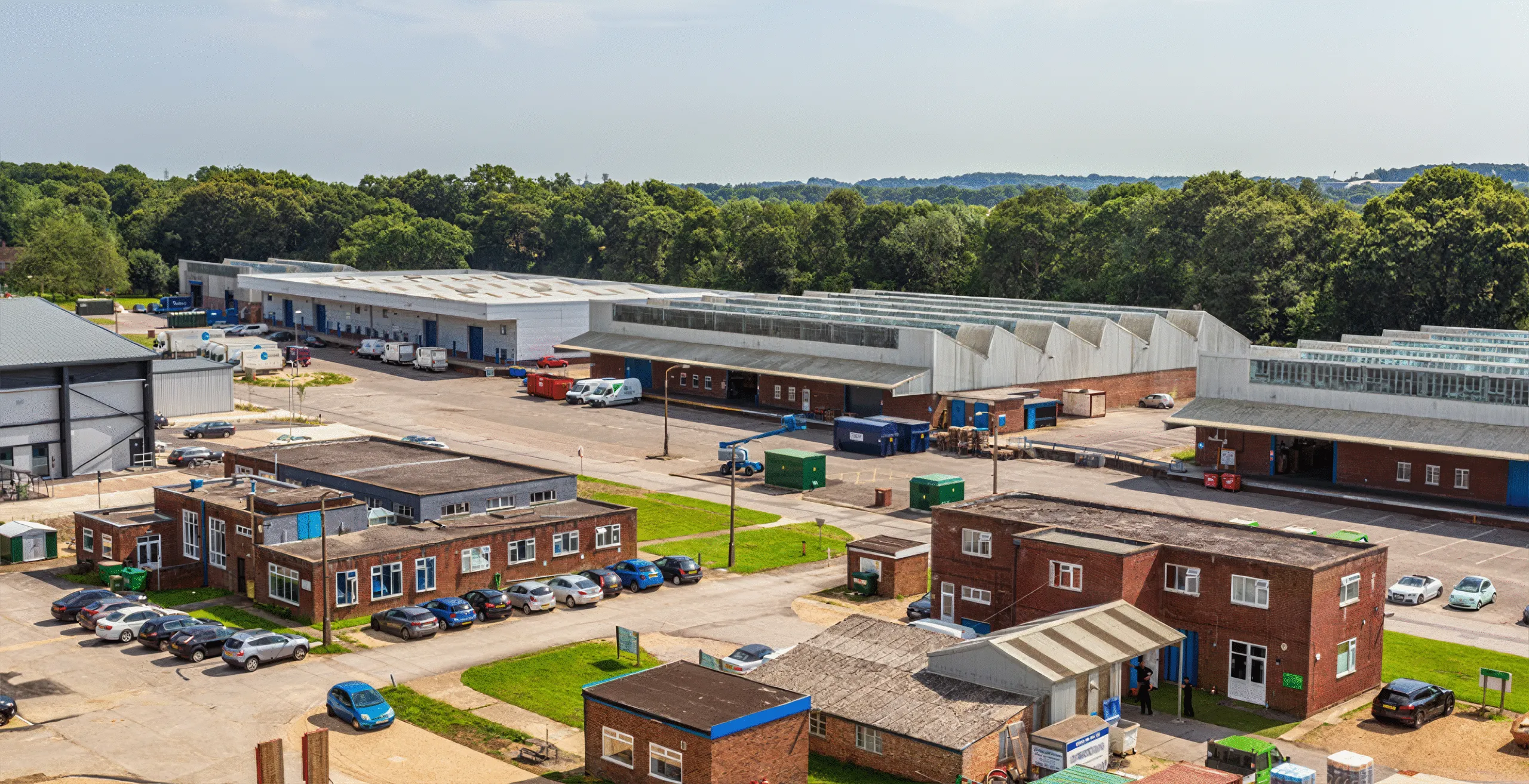
Development deal: Sirius plans to create a £10m supermarket at Chalcroft Business Park in Southampton
Last year, it bought Chalcroft Business Park in Southampton for £38.6m, along with an adjoining, 4.5-acre development site with outline planning permission, from a family fund that decided to sell up because the site needed significant capital investment.
Only 20% of the land is developed and Coombs says there are plans to a create a £10m supermarket and to develop the back of the site.
At the site in Banbury, there had been concerns that the two tenants might leave because they were unhappy with the building’s condition. “It was a really simple case of both tenants wanting to extend their leases, but neither had accepted the terms because of problems with the roof,” he says. Sirius agreed to fix the roof and the tenants agreed to new long-term leases. “A simple solution equals increased value,” he adds.
According to Coombs, the firm has faced surprisingly little competition for UK sites because “when you show people [in I&L development] a crane over a big industrial building, they shit themselves”, he says. “It’s fine if it needs to be knocked down and redeveloped. But they don’t operate proper industrial buildings. They’ve not got a clue. We, of course, have a lot of experience of that in Germany.”
Bigger sites, bigger risks
However, bigger sites tend to also come with bigger risks, such as large anchor tenants upping sticks. Coombs agrees this can be a risk, but says the “devil’s in the detail”. At Hartlebury, for example, it has over 100 tenants, with the largest accounting for just 25% of the rent roll.
He says the firm would not look at a site where one tenant was responsible for 70% of the rent roll in a “million years” – unless that tenant was government-backed in some way.
A major recent area of focus for Sirius has been the fast-growing defence sector, where demand for industrial space has been fuelled by increased government spending in the UK and Germany, in response to the wars in Ukraine and the Middle East.
With [data centres] it is seven or eight years before it comes out in the wash. I think it’s dangerous times
Coombs says “anything that goes bang”, such as munitions, is not permitted on Sirius’s sites, but it is eager to bring on board companies involved in other types of military manufacturing, such as military vehicle production and body armour.
In March, the company spent £80m on a business park in Kiel, Germany, predominantly let to Rheinmetall, Germany’s largest defence company, for its armoured tracked vehicles development centre.
Coombs says the great thing about the defence sector is that it is underpinned by central government money and defence occupiers are willing to pay top rents for the right space that enables them to hit their production targets. “Defence is like ‘we need it done now’, even if it might cost double or triple,” he explains.
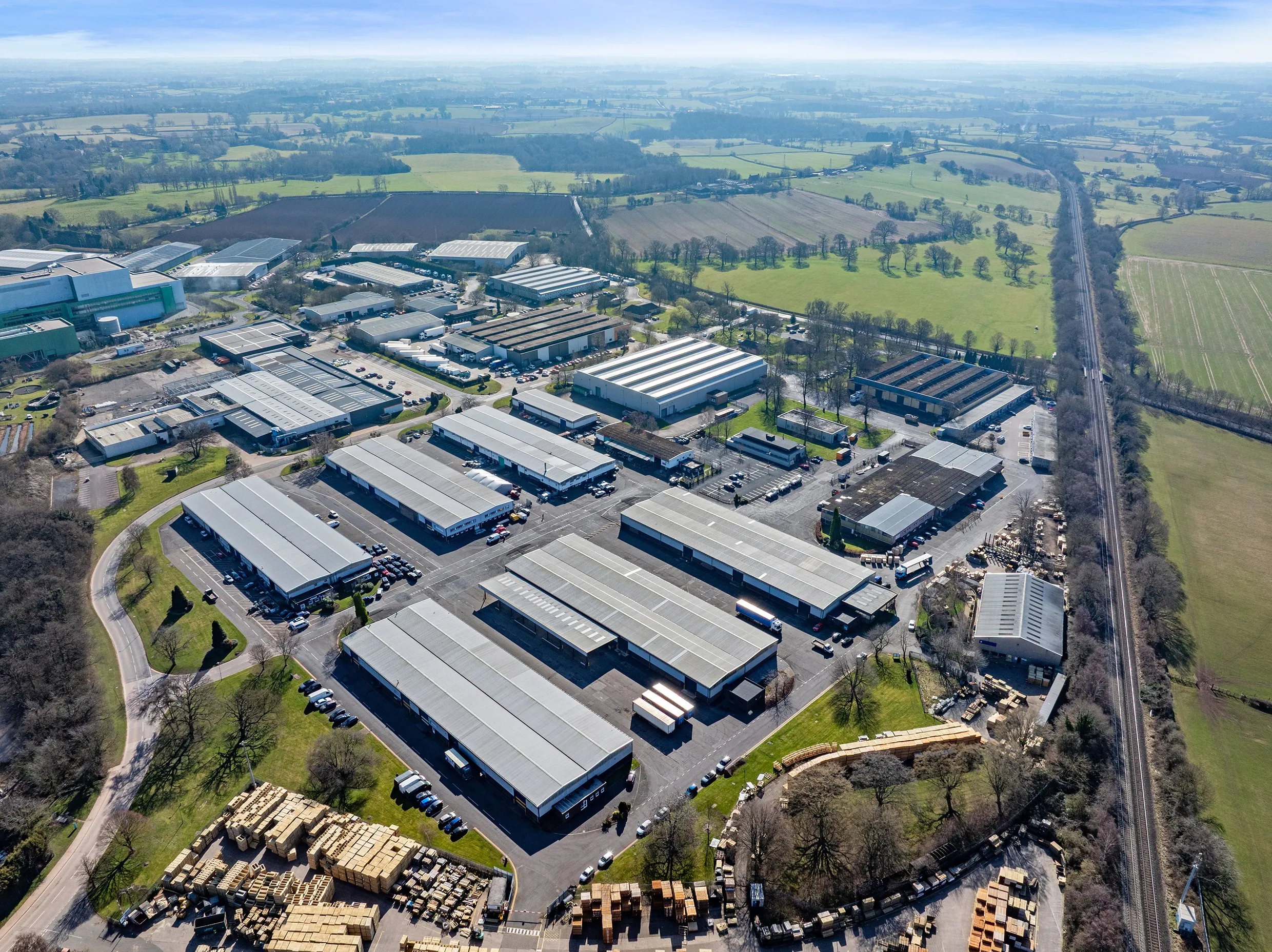
Thinking big: Sirius’s recent large acquisitions include the vast Hartlebury Trading Estate in Worcestershire
But he says property valuers have “absolutely no idea” when it comes to valuing defence-related sites. In his experience, sites can be worth three times as much as some valuers estimate.
“The defence industry understands its value,” he says. “The valuers, however, have no comparative evidence. Property is about strength of covenant. This covenant is so strong because the cash is already there.”
Last year, Sirius brought on board retired major general Angus Fay as a strategic defence adviser. Coombs says the idea now is for Sirius to have more occupiers that are considered “mission critical” to the military supply chain on its sites. “So, it’s not the ‘nice-to-have’ things, but the things that if we don’t maintain this supply line, we stop,” he explains.
Another sector where Sirius has been increasing its presence is self-storage. It operates two self-storage brands – mylager in Germany and BizSpace Self Storage in the UK – which generate £5.3m a year in revenue. Coombs hopes to increase this to more than £12m within two years.
‘A very sticky product’
Self-storage is an attractive sector to be involved in for several reasons. “I like the high-yielding nature of storage,” Coombs says. “I like the fact that when it is on our sites, it opens up our customer base to domestic users. I like the fact that it’s a very sticky product.”
Normally, the hardest aspect of self-storage is finding buildings in good locations, he argues. “But we’ve got nearly 200 [potential] locations in two countries. We only need to pick a dozen of those.”
One sector Sirius will be steering well clear of is data centres. At the start of July, Property Week reported Coombs’ remarks at a conference in London about the data centre market becoming overvalued and overheated. His comments caused a bit of a stir at the time.
Far from shying away from his remarks, Coombs doubles down on his criticism, arguing that the amount of investment going into data centres is worrying. He says that if a developer buys a piece of land for £10m and then says it plans to build a couple of data centres there, it can make a case for the site being worth £20m or £30m in the current market.
Your job is to differentiate, not to be in it together. That’s what you need to do to command a market
“Your number is moving so much that you can almost justify anything, which means you’ve got to keep that value up there until it completely explodes,” he says.
“The other problem you’ve got is the long lead time. If I’m building something that takes two years and I haven’t pre-let it and sold the space within three, my value is probably dropping. With this [data centre] stuff, it is seven or eight years before it comes out in the wash. I think it’s dangerous times.”
Coombs is equally critical of the short-term thinking and poor performance of property companies in recent years. Too many property bosses make the argument that “it’s not me; it’s the market” when profits slump, he says.
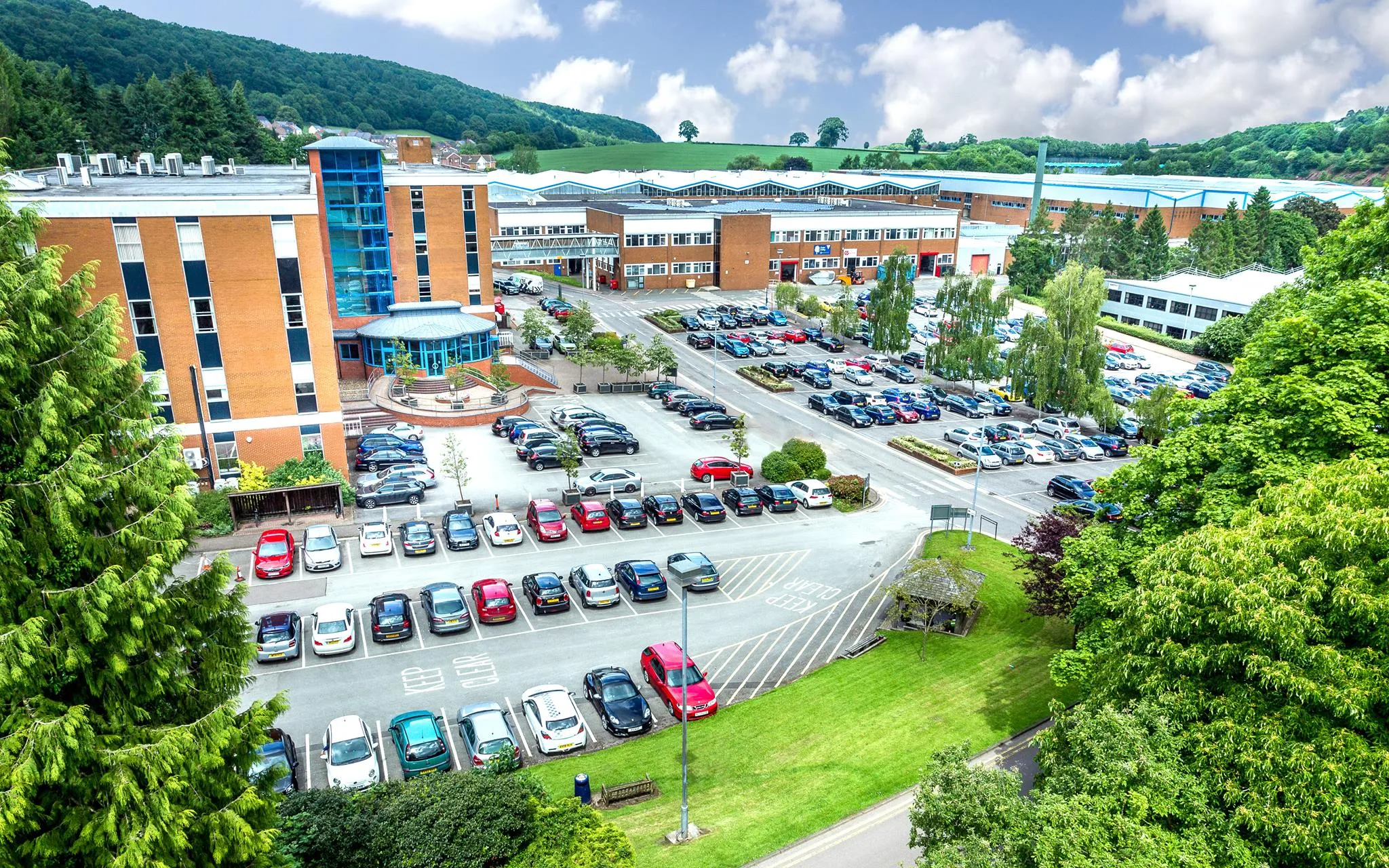
Vantage Point in Gloucestershire
“The number of annual reports that start with chairs talking about ‘against this dismal economic environment, political strains and the headwinds’. Which bit of that did you not know about at the beginning of the year?
“It’s not like the Ukraine war started yesterday. It’s not like Iran hasn’t been going on across two financial years. It’s not like you didn’t know what to expect with [US president Donald] Trump after the first term.”
He says there are some exceptions, praising the performance of LondonMetric and healthcare specialist PHP. But overall, he believes the property industry “loves to hold hands in mediocrity” and say “we’re all in this together”. He adds animatedly: “Well, your job is not to be in it together. Your job is to differentiate. That’s what you need to do to command a market.”
Sirius’s management team takes a far more long-term approach than most companies, says Coombs. “We’re not running for the door to sell our shares,” he adds. “We want to build. We believe there’s a story to go on here.”
Coombs is 61, an age when chief executives often think about retirement, but he has no intention of stepping down soon. “I’ve made a formal statement to our board that I’m around for at least the next five years, unless somebody wants to get rid of me,” he says.
During his time at the helm, Coombs has taken Sirius from a company with a market capitalisation of €50m (£43m) to one worth €1.8bn (£1.5bn) and believes €2bn (£1.7bn) “is very much in sight”.
He concludes: “We’re in the top half of the FTSE 250 at the moment. We need to keep going.”